
Start WordPress Blog Make Money: Sounds simple when you watch YouTube videos or read social media posts. But once you try it yourself, you quickly see the real problem. You buy hosting, install WordPress, publish a few blog posts, and then nothing happens.
No traffic. No clicks. No affiliate commissions. No passive income. Many beginners quit because they focus on random blog writing instead of building a real online business with SEO, user intent, and monetization in mind.
If you want to start a profitable WordPress blog in 2026, you need more than just writing random posts. You need a fast website, smart SEO, and content people already search for on Google.
To grow traffic, focus on keyword research, search intent, internal linking, and helpful content rather than chasing quick viral tricks.
Many bloggers also connect their sites with Google Search Console and Google Analytics to track organic traffic, indexing, click-through rates, and visitor behavior.
The most important thing to understand is that blogging is a real business model, not a fast-money shortcut. Most profitable blogs need consistent publishing, SEO optimization, and audience trust before they generate a stable monthly income.
This guide will show you how to create a self-hosted WordPress blog step by step, choose a profitable niche, drive organic search traffic, avoid common blogging mistakes, and build a monetized website that can grow into a long-term digital asset instead of another abandoned blog.
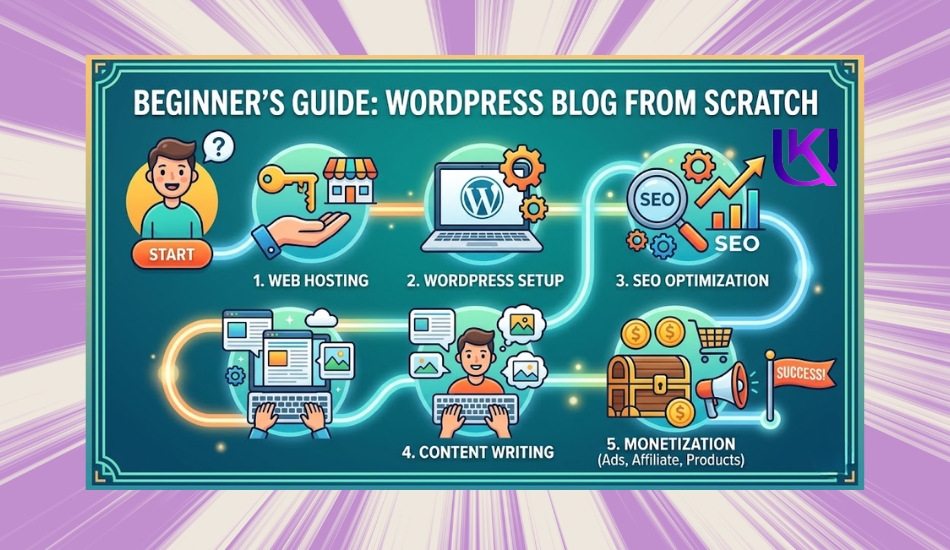
Went Start WordPress Blog Make Money: Step-by-Step Beginners Guide for 2026
The truth is blogging still works in 2026, but the strategy has changed. Today, in the digital world, smartphone trends are an AI-friendly strategy. Successful bloggers focus on users’ search intent, semantic SEO, topical authority, and helpful content that solves real problems.
A fast-loading WordPress blog with strong Core Web Vitals, mobile-friendly design, proper internal linking, and keyword research has a much better chance of ranking on Google.
That is why many professional bloggers now use reliable hosting from SiteGround, Namecheap, GoDaddy, Hostinger, or Bluehost instead of free blogging platforms that limit growth and monetization options.
You also need the right technical setup from the beginning. Most profitable blogs use lightweight themes like Astra or GeneratePress, along with page builders like Elementor, to improve user experience, website speed, and responsiveness.
SEO plugins such as Rank Math and Yoast SEO help optimize content using schema markup, meta descriptions, readability checks, and on-page SEO best practices.
Many bloggers also install performance plugins like WP Rocket and lead generation tools like WPForms to improve conversions, email opt-ins, and audience growth.
If you want a consistent blogging income, you cannot depend on luck or viral traffic. You need evergreen content, long-tail keywords, topical clusters, and a clear content marketing strategy.
Smart bloggers use tools like Google Search Console (GSC) and Google Analytics to understand organic traffic, click-through rates, indexing issues, and user behavior. They also build email lists using ConvertKit or Mailchimp because traffic alone does not build a sustainable blogging business.
The good news is that you no longer need millions of page views to monetize a WordPress blog. Many beginner bloggers now make money online through affiliate marketing, digital products, freelance services, sponsored posts, and display advertising.
Some start with Google AdSense for basic ad revenue, while larger authority websites often move to premium ad networks like Mediavine for higher RPM earnings. Others grow passive income streams with affiliate programs like Amazon Associates by recommending products, WordPress plugins, hosting services, online courses, and software they truly use.
This guide will show you how to create a self-hosted WordPress blog step by step, choose a profitable niche, drive organic search traffic, avoid common blogging mistakes, and build a monetized website that can grow into a long-term digital asset instead of another abandoned blog.
Can You Really Make Money From a WordPress Blog?
Yes, you can still make real money with a WordPress blog in 2026. But most people fail because they expect fast results without understanding how blogging actually works. A profitable blog is not just a few articles with ads. It is a long-term online business built on SEO, trust, useful content, and targeted traffic from Google, Bing, or other search engine-friendly platforms.
Many beginners search for things like “can I earn money from a WordPress blog” or “how to make money with WordPress in 48 hours” because they see screenshots of huge blogging incomes online. The reality is different. Blogging income usually grows slowly at first.
During the first few months, your main goal should be publishing helpful content, building topical authority, improving website speed, and learning keyword research instead of chasing quick money.
The good part is that you do not need to become famous to monetize your blog. Even small niche blogs can generate passive income when targeting long-tail keywords with strong user intent. For example,
- WordPress tutorial blog,
- Cybersecurity blog,
- AI tools website,
- Digital marketing blog
So, research and analysis about broad, micro, or niche markets can earn money through affiliate marketing, display ads, sponsored posts, coaching, or digital products.
This is why many bloggers now treat content marketing like a real business model instead of a side hobby.
One of the most common monetization methods is affiliate marketing. This means you recommend products, tools, or services and earn affiliate commissions when someone buys through your link.
Many bloggers promote hosting companies because web hosting has strong buyer intent and recurring demand.
Others recommend WordPress tools through programs such as Amazon Associates, ShareASale, or Impact.
Another popular option is display advertising. Beginners often start with Google AdSense because approval is easier for newer websites.
As traffic grows, many bloggers move to premium ad networks like Mediavine for higher RPM earnings and better ad revenue.
Some websites also earn from sponsored posts, email marketing, memberships, online courses, eBooks, printables, or freelance services like SEO consulting and web design.
The biggest mistake beginners make is believing blogging is fully passive from day one. In reality, successful blogs need consistent publishing, internal linking, semantic SEO, mobile optimization, and user-focused content that solves real problems.
Bloggers who understand search intent, topical clusters, and Google’s Helpful Content System usually grow faster than people who publish random AI-generated articles without a strategy.
If you stay consistent, focus on evergreen content, and treat your blog like a long-term digital asset, your traffic can compound over time. One well-optimized article can bring organic traffic, affiliate clicks, email subscribers, and passive income for years after you publish it.

Why Most Beginner Blogs Never Make Money?
Most beginner blogs fail for one simple reason. People start a blog without a real strategy. They buy hosting, install WordPress, publish a few random articles, and wait for traffic that never comes. After a few months, they stop updating the website because they think blogging is dead or too competitive.
The problem is not blogging itself. The real problem is poor planning, weak SEO, and misunderstanding how Google ranks content today.
One of the biggest mistakes is choosing the wrong niche. Many beginners create broad lifestyle blogs without understanding user intent, search demand, or monetization potential. A blog without a topical focus struggles to build topical authority, which makes ranking harder.
Successful bloggers usually focus on one strong niche like WordPress tutorials, cybersecurity, AI tools, digital marketing, finance, health, or remote work because these topics have evergreen traffic and stronger affiliate marketing opportunities.
Another major issue is a weak website setup. Many beginners use slow free blogging platforms or cheap hosting with poor uptime and bad Core Web Vitals. Slow-loading websites hurt user experience, increase bounce rates, and damage SEO rankings.
That is why experienced bloggers often choose reliable hosting over limited free platforms.
Poor content strategy is another reason blogs fail. Many people write articles based only on personal ideas instead of doing keyword research or analyzing search intent.
They ignore long-tail keywords, People Also Ask questions, semantic SEO, and topical clusters.
As a result, their content never matches what users are actually searching for online. Modern blogging requires useful content that answers real questions clearly and deeply.
Some beginners also make the mistake of focusing only on design instead of traffic generation.
They spend weeks customizing themes like Elementor or changing blog layouts while ignoring SEO, internal linking, and content marketing.
A beautiful blog without organic traffic will not generate affiliate commissions, ad revenue, or passive income.
Another common problem is publishing AI-generated articles without adding real experience, examples, or value. Google’s Helpful Content System and EEAT signals now prioritize trustworthy, people-first content.
Thin articles stuffed with keywords often fail to rank because they lack expertise, originality, and problem-solving depth. Successful blogs combine semantic SEO with real insights, helpful examples, and strong readability.
Many new bloggers also quit too early. Blogging is not a quick-money system. Most websites need months of consistent publishing before gaining stable traffic.
During this stage, smart bloggers focus on building authority with SEO plugins like Rank Math or Yoast SEO, improving performance with WP Rocket, and tracking growth using Google Search Console and Google Analytics.
The blogs that survive usually follow a different approach. They focus on search intent, helpful content, consistent publishing, email list building, and monetization strategies like affiliate marketing, Google AdSense, sponsored posts, and digital products.
Over time, these small actions build an authoritative website that generates recurring traffic and long-term online income.

How to Choose a Profitable Blogging Niche for Beginners in 2026?
Choosing the right niche is one of the biggest decisions when starting a WordPress blog. Your niche affects your traffic, SEO growth, monetization opportunities, affiliate income, and long-term success. A strong niche helps Google understand your website better and improves your topical authority over time.
Instead of choosing random topics, focus on niches with:
- strong search demand
- evergreen traffic
- clear user intent
- monetization potential
- affiliate opportunities
- long-tail keyword options
Here are some of the best blogging niches for beginners in 2026:
| Blogging Niche | Why It Makes Money | Best Monetization Methods | SEO Potential | Example Entities |
| WordPress & Blogging | High buyer intent and evergreen demand | Affiliate marketing, courses, services | Very High | WordPress, Elementor |
| Digital Marketing | Businesses always need traffic and SEO help | Consulting, affiliate tools, digital products | Very High | Google, Rank Math |
| Cybersecurity | Growing global online security concerns | Affiliate software, consulting, ads | High | VPNs, antivirus tools, firewalls |
| AI Tools | Exploding search demand and trending topics | SaaS affiliates, tutorials, sponsored posts | Very High | AI writing tools, automation apps |
| Personal Finance | High ad RPM and strong affiliate commissions | Banking affiliates, courses, ads | Very High | budgeting apps, investing tools |
| Health & Fitness | Evergreen audience and recurring searches | Coaching, supplements, memberships | High | workout plans, nutrition guides |
| Remote Work & Freelancing | More people work online every year | Courses, coaching, affiliate tools | High | freelancing platforms, productivity tools |
| Web Hosting Reviews | Strong buyer intent and high commissions | Hosting affiliate programs | Very High | SiteGround, Hostinger |
| Blogging Tutorials | Beginner traffic grows constantly | Ads, affiliates, digital products | High | SEO tools, WordPress plugins |
| Software Reviews | High conversion potential | SaaS affiliate marketing | High | SEO tools, email marketing tools |
You should also avoid one major beginner mistake:
Choosing a niche only because it looks profitable. If you hate the topic, consistency becomes difficult. The best niche usually sits between:
- your interest
- search demand
- monetization potential
- long-term content opportunities
A smart strategy is focusing on one core topic first and building topical authority around it. For example, instead of creating a general “technology blog,” you could focus only on:
- WordPress SEO
- beginner blogging
- AI tools for creators
- affiliate marketing for beginners
- website speed optimization
This helps your blog rank faster because your content becomes semantically connected around one subject.
Before finalizing your niche, research:
- keyword difficulty
- search volume
- People Also Ask questions
- affiliate opportunities
- competitor content gaps
- user intent
The goal is not just getting traffic. The real goal is attracting visitors who are more likely to click affiliate links, subscribe to your email list, buy products, or trust your recommendations later.

What You Need to Start Step-by-Step?
1. Buy Hosting and a Domain Name
Once you pick your niche, the next step is building the foundation of your blog. This is where your WordPress website actually starts. A strong setup here decides how fast your site loads, how safe it is, and how well it ranks on Google.
Many beginners try free platforms, but those limit control, branding, and monetization. If you want to build a real blogging business, you need a self-hosted website with a custom domain and reliable hosting.
| Item | What It Does | Why It Matters |
| Domain Name | Your website address (example.com) | Builds brand identity and trust |
| Web Hosting | Stores your website files online | Controls speed, uptime, and performance |
| SSL Certificate | Secures your website (HTTPS) | Improves trust and SEO ranking |

2. Best Hosting Options for Beginners
Choosing the right hosting is important because website speed directly affects SEO, user experience, and conversions.
Popular beginner-friendly hosting providers include:
- SiteGround’s strong performance and support
- Hostinger affordable and fast for beginners
- Bluehost’s easy WordPress setup for starters
These hosting providers support one-click installation of WordPress, making setup simple even for beginners.
3. Why Hosting Quality Matters
Your hosting directly affects:
- Website speed (Core Web Vitals)
- Mobile performance
- SEO ranking potential
- User experience
- Bounce rate
- Conversion rate (affiliate clicks, ads, sales)
Slow websites lose traffic even if the content is good. That is why professional bloggers invest in stable hosting from the beginning.
4. How to Choose a Domain Name
Your domain name should be:
- short and easy to remember
- related to your niche
- simple to type
- brandable
- free from complex numbers or symbols
Example:
- Good: techblogguide.com
- Weak: best-tech-blog-2026-free-site123.com
A strong domain builds trust and helps your blog look more professional.
5. What Happens After Setup
Once your hosting and domain are ready, you will:
- Install WordPress
- Set up your dashboard
- Connect SSL (HTTPS)
- Install a theme and plugins
- Start publishing SEO content
Key Beginner Mistake to Avoid
Many beginners rush this step and choose the cheapest or weakest hosting. Later, when traffic grows, the site becomes slow or unstable. This hurts SEO and forces migration later.
A better approach is simple: Start with reliable hosting first, then focus fully on content and SEO.
Because in blogging, stability always wins over shortcuts.

Step-by-Step Install WordPress and Set Up Your Niche Blog Sites
Now you are ready to bring your blog to life. After buying hosting and a domain, the next step is installing WordPress. This is where your website actually starts working, and you begin building your online presence on Google.
Most hosting companies give you a one-click WordPress install. So you do not need coding or technical skills.
1. Install WordPress
Log in to your hosting panel and click “Install WordPress.” After a few minutes, your blog will be ready.
2. Set Your Basic Settings
Go to your WordPress dashboard and adjust:
- Site title (your blog name)
- Tagline (short description of your blog)
- Time zone
- Language settings
Set Permalinks Structure: Very Important for SEO Strategy
- Change your URL structure to Post name format (example: yoursite.com/blog-title).
- This helps SEO and makes URLs clean and readable.
3. Install a Fast Theme
Your theme controls how your blog looks and loads. Most popular theme options:
- Astra Theme is lightweight and fast
- GeneratePress SEO-friendly
- Elementor drag-and-drop design
A clean design improves user experience and helps reduce bounce rate.
4. After Setup, What Comes Next?
Once WordPress is installed and ready, you move to the most important part:
- installing SEO plugins
- doing keyword research
- writing your first blog posts
- building traffic from search engines
This is where your blog starts turning into a real income asset.
5. Why This Step Matters for SEO
A properly set up WordPress site helps you:
- load faster on mobile devices
- rank better in search engines
- improve Core Web Vitals
- create a better user experience
- build trust with visitors
Search engines prefer websites that are fast, clean, and easy to navigate.
Beginner Mistakes to Avoid:
Many beginners over-customize their website too early. They spend hours changing colors, layouts, and logos instead of focusing on content. At this stage, your priority is simply to set up your blog quickly and start publishing content. But the design can be improved later. Traffic cannot.
Why Your Theme Choice Matters? How to Pick a Fast and SEO-Friendly Theme?
After setting up WordPress, your next step is choosing a theme that is relevant to your business niche. A theme decides how your blog looks, how fast it loads, and how easy it is for visitors to read your content. It also affects your ranking on Google because speed and user experience are ranking factors.
Many beginners make the mistake of choosing heavy, slow, or overly decorative themes. This slows down the website and hurts SEO before the blog even starts growing.
A good theme has advantages your:
- load pages faster
- improve mobile experience
- reduce bounce rate
- increase time on site
- support better SEO performance
- improve readability and conversions
But a slow theme can ruin even good content.

Which are the best WordPress Themes for Beginners?
Here are lightweight and SEO-friendly options used by many bloggers:
| Theme | Why It’s Good | Best For |
| Astra | Very fast and lightweight | Beginners + SEO blogs |
| GeneratePress | Clean code and strong performance | Professional bloggers |
| Elementor | Drag-and-drop design control | Design-focused blogs |
What Makes a Good Theme?
A profitable blog theme should be:
- lightweight (fast loading)
- mobile responsive
- SEO-friendly structure
- easy to customize
- compatible with plugins
- clean and distraction-free
Google prefers websites that are simple, fast, and user-friendly.
How does Theme Affect SEO and Income?
Your theme directly impacts:
- page speed (Core Web Vitals)
- Google ranking potential
- ad placement performance
- affiliate link visibility
- user engagement
A better theme can increase both traffic and earnings without changing content.
Beginner Mistakes to Avoid: Start WordPress Blog Make Money.
Many beginners choose a theme based only on design looks. They pick heavy templates with animations, sliders, and large images.
This creates problems like:
- slow website speed
- poor mobile experience
- low SEO score
- fewer organic visitors
A simple rule works best, and Fast beats fancy in blogging.
After Choosing Your Theme
Once your theme is set, you are ready to:
- Install essential plugins
- set up SEO tools
- Create blog structure
- start keyword research
- Publish your first optimized posts
This is where your blog starts shifting from setup mode to traffic-building mode.
Which Essential WordPress Plugins Every Beginner Needs?
After choosing a fast theme, the next step is adding the right plugins. Plugins turn your WordPress blog into a powerful website. They help with SEO, speed, security, and even making money from your content.
Without the right plugins, your blog may look fine, but still perform poorly on Google because of weak optimization and slow performance.
1. What Are WordPress Plugins?
Plugins are small tools you install inside WordPress to add extra features like:
- SEO optimization
- website speed improvement
- contact forms
- security protection
- backup systems
- email capture tools
Think of plugins like apps for your website.
2. Must-Have Plugin Categories
| Category | Purpose | Why It Matters |
| SEO Plugins | Improve rankings | Helps Google and other search engines understand your content |
| Speed Plugins | Improve loading time | Better user experience and SEO |
| Security Plugins | Protect your site | Prevent hacks and malware |
| Backup Plugins | Save your website data | Recover the site if anything breaks |
| Form Plugins | Collect emails/leads | Build audience and income |
3. Best SEO Plugins
These plugins help your blog rank higher:
They help with:
- meta titles and descriptions
- keyword optimization
- schema markup
- readability scoring
- sitemap generation
4. Speed Optimization Plugins
Website speed is critical for rankings and user experience.
- WP Rocket improves loading speed and Lightspeed caching
Other features include:
- lazy loading images
- browser caching
- file compression
- Core Web Vitals improvement
5. Lead Generation Plugins
To start earning money, you need an audience.
- WPForms easy form builder for contact and email collection
These help you:
- build email lists
- create contact forms
- capture leads for monetization
- Grow long-term traffic value
6. Security and Backup Plugins
A blog is a digital asset. It must be protected.
Common features include:
- malware scanning
- firewall protection
- automatic backups
- login security
Beginner Mistakes to Avoid for Starting a WordPress Blog Make Money
Many beginners install too many plugins. This slows down the website and creates conflicts. A better approach is a simple way to install only what you truly need for SEO, speed, security, and monetization.
7. Why Plugins Matter for Making Money
Plugins directly impact your income because they help you start a WordPress blog and make money
- Rank higher on search engines
- Increase website speed
- Collect email subscribers
- Improve conversions
- Track performance
Better optimization, more traffic, more money potential.
After WordPress Plugins Step
Once your plugins are ready, your blog is fully set up. Next, you move into the most important phase:
- keyword research
- content creation
- SEO writing
- traffic building
- monetization strategies
This is where your blog starts turning into a real income-generating website.

Basic Guide: Keyword Research Before Writing Anything
If you want to build a profitable blog with WordPress, you must understand one simple truth: writing first without keyword research is the fastest way to get zero traffic from Google.
Most beginners fail here. They write what they “feel like writing” instead of what people are already searching for. That is why their blog stays invisible.
Keyword research is the bridge between your content and real users.
What Is Keyword Research?
Keyword research means finding the exact words people type into Google when they need help.
For example:
- “How to start a WordPress blog.”
- “How to make money blogging.”
- “best hosting for beginners”
- “How to rank blog posts.”
These are real user problems. If you answer them, you get traffic.
Why Keyword Research Is So Important?
Good keyword research helps you:
- Get organic traffic faster
- Understand user intent clearly
- Build topical authority
- Avoid wasting time on useless topics
- Increase chances of ranking
Without it, even good writing gets ignored.
Types of Keywords You Must Know
| Keyword Type | Meaning | Example |
| Short-tail | Broad and competitive | blogging |
| Long-tail | Specific and easier to rank | How to start a blog and make money |
| Buyer intent | Users are ready to spend money | best WordPress hosting for beginners |
| Informational | Users looking for learning | What is a WordPress blog |
Focus on Search Intent: Most Important Part
Every keyword has intent behind it:
- Informational: people want knowledge
- Navigational: people search for a brand or tool
- Commercial: people compare options
- Transactional: people want to buy or start
If your content does not match intent, it will not rank.
Semantic SEO and Keyword Clusters
Modern SEO is not about one keyword. It is about topic clusters.
For example, if your main topic is: start WordPress blog make money
You should also cover:
- How to monetize a blog
- WordPress hosting setup
- SEO for beginners
- affiliate marketing basics
- Google AdSense approval
- traffic generation strategies
This builds topical authority.
Tools Bloggers Use for Keyword Research
1. Beginners often start with:
- Google search suggestions
- People Also Ask section
- Most search engines suggest related searches
- Google Trends
Many free tools only have a basic idea to get your targeted niche relevance.
2. Advanced Bloggers Use Paid SEO tools like:
These tools help find:
- search volume
- keyword difficulty
- competition level
- content gaps
Keyword Research Common Beginner Mistake
Many beginners target very competitive keywords like:
- “make money online.”
- “blogging”
- “SEO”
These are hard to rank for. A better strategy is to target long-tail keywords with clear user intent and low competition.
What is the Simple Keyword Strategy for Beginners?
Follow this easy process:
- Pick one main topic (niche)
- Find 10–20 long-tail keywords
- Group them into clusters
- Write helpful articles for each keyword
- Link them together internally
This builds a strong SEO foundation.
Why This Step Controls Your Income?
Keyword research decides:
- How much traffic do you get
- How fast you rank
- How many affiliate clicks do you earn
- How much AdSense revenue do you make
- how strong your blog becomes
No keyword strategy, no consistent income.
After Keyword Research Step
Once you understand keywords, you are ready for the next stage:
- writing SEO-optimized blog posts
- building topical authority
- driving organic traffic
- starting monetization strategies
This is where your blog starts moving from setup to real income growth.

How to Write Helpful Blog Posts Google Wants to Rank?
Now that you understand keyword research, the next step is writing content that actually ranks and brings traffic to your WordPress blog.
Most beginners think blogging is just writing articles. But in reality, Google only ranks content that truly helps users solve a problem on Google.
If your content is weak, your traffic will stay at zero even if your website is perfect.
1. What “Helpful Content” Really Means?
Helpful content means:
- It solves a real user problem
- It answers search intent clearly
- Easy to read and understand
- It gives practical steps, not just theory
- It feels written by a real person, not spam
Google rewards content that people actually use, not just read.
2. What Makes a Blog Post Rank?
To rank in search engines, your blog post should include:
- strong keyword focus (natural, not forced)
- semantic SEO topics (related ideas)
- clear structure (headings and sections)
- internal linking between posts
- real examples and explanations
- mobile-friendly readability
3. Content Structure That Works Best
A high-ranking blog post usually follows this flow:
- Problem introduction
- Simple explanation
- Step-by-step solution
- Examples or tools
- Common mistakes
- FAQ section
This structure matches how users think and search.
4. EEAT & NLP: Why Those Matters in 2026 Blogging
Google uses EEAT (Experience, Expertise, Authority, Trust) to decide rankings. As part of the EEAT, guidelines to evaluate content quality and determine search rankings. With trust being the most important component. These guidelines, derived from Search Quality Raters, help prioritize helpful, reliable, people-first content, especially for (YMYL) Your Money or Your Life topics.
Natural Language Processing (NLP) is a branch of artificial intelligence (AI) that enables computers to understand, interpret, and generate human language, both written and spoken. By combining computational linguistics with machine learning, NLP allows machines to analyze human language structure and meaning.
Your content should show:
- real understanding of the topic
- practical advice
- honest explanations
- no fake or misleading claims
Even beginners can build trust by writing clearly and helping users step by step.
5. Semantic SEO: How Google Understands Your Content?
Modern SEO is not just about repeating keywords. Semantic SEO is the process of giving more meaning and thematic depth to web content. You help Google crawlers and other search engines to understand your content better, consider it to be high quality, and ultimately improve its ranking on SERPs.
For example, if your topic is start WordPress blog make money.
Google also expects related ideas like:
- affiliate marketing
- SEO optimization
- traffic generation
- monetization methods
- Google AdSense
- content marketing strategy
This helps your content become “topically complete.”
6. Important Writing Tools for Bloggers
To improve your blog performance, many creators use:
- Rank Math on-page SEO optimization
- Yoast SEO readability and SEO scoring
- Elementor better blog design and structure
These tools help improve both user experience and search rankings.
7. Beginner Mistakes to Avoid Content Writing
Most beginners make one big mistake is write too many posts without quality.
This leads to:
- thin content
- low rankings
- no traffic
- no income
A better approach is to write fewer articles, but make each one deeply helpful.
8. Why Content Quality Directly Impacts Money?
Better content leads to:
- higher Google rankings
- more organic traffic
- more affiliate clicks
- more ad revenue from Google AdSense
- stronger email list growth
In blogging, content quality has income potential.
After Unique Writing Step
Once you start writing helpful blog posts, your focus shifts to:
- Driving traffic
- Building backlinks
- Growing email subscribers
- Monetizing your audience
This is where your blog starts becoming a real online income system instead of just a website.

Main Traffic Sources for Beginners: How to Get Traffic to Your WordPress Blog?
After publishing helpful content on your WordPress blog, the next big challenge is simple: Getting real people to visit your website from Google.
Without traffic, even the best blog cannot make money. Traffic is what turns your blog into a business.
| Traffic Source | What It Means | Difficulty | Result Speed |
| SEO (Google Search) | Organic visitors from search engines | Medium | Slow but long-term |
| Social Media | Traffic from platforms like Pinterest or Facebook | Easy | Fast |
| Email Marketing | Returning visitors from your email list | Medium | Long-term |
| Direct Traffic | People typing your URL directly | Hard | Slow |
1. SEO Traffic is Most Important For Beginners Learning
Search engine traffic is the most powerful because it brings people who are already searching for solutions. To grow SEO traffic, you need to:
- Target long-tail keywords
- Write helpful content
- Use internal linking
- Optimize on-page SEO
- Build topical authority
Tools like Google Search Console help you track:
- impressions
- clicks
- indexing issues
- keyword performance
2. Social Media Traffic
Social platforms can bring fast traffic to new blogs. Popular channels include:
- LinkedIn for Professional and Business
- Pinterest (best for blog traffic)
- Facebook groups
- Twitter (X)
- YouTube
Even simple posts linking to your articles can bring early visitors while SEO grows.
3. Email Marketing Traffic
Email traffic is very powerful because it brings people back again and again. To build an email list, bloggers use tools like:
- ConvertKit
- Mailchimp
You can collect emails using:
- free guides
- checklists
- lead magnets
- signup forms
4. Why Email List Matters
Email marketing helps you:
- get repeat traffic
- promote affiliate products
- sell digital products
- build a loyal audience
- increase blog income
4. SEO Plus Content Strategy For Long-Term Growth
Real blog growth comes from combining:
- keyword research
- semantic SEO
- topical clusters
- internal linking
- consistent publishing
Over time, Google starts trusting your site more, and your rankings improve naturally.
5. Beginner Mistakes to Avoid
Many beginners expect traffic in the first few days. When nothing happens, they quit. But blogging works like this:
- No content + no SEO = no traffic
- Good content + consistency = slow but stable growth
6. Why Traffic Means Money!
Traffic directly affects your income because it increases:
- affiliate clicks
- ad revenue from Google AdSense
- email subscribers
- product sales
- service inquiries
More targeted traffic = more earning opportunities.
After Traffic Source Step
Once you start getting traffic, your blog enters the monetization phase:
- affiliate marketing setup
- display ads optimization
- digital product creation
- sponsored content opportunities
This is where your blog starts turning into a real income-generating asset.

Best Ways to Monetize a WordPress Blog
Once your blog starts getting traffic, the next step is turning that traffic into income. This is where your WordPress blog becomes a real online business instead of just a website.
Monetization simply means earning money from the visitors coming from Google and other platforms. There are several proven ways to do this, even for beginners.
1. Affiliate Marketing Best for Beginners
Affiliate marketing is the most popular way to earn money from blogging. You recommend products, and when someone buys through your link, you earn a commission.
Popular affiliate sources include:
- Amazon Associates
- hosting companies like SiteGround, Hostinger, and Bluehost
- tools like Elementor, Rank Math, and WPForms
Why Affiliate Marketing Works:
- No need to create your own product
- high earning potential
- works with low traffic if targeted well
2. Display Advertising Passive Income
Display ads allow you to earn money from page views. The most common platform is Google AdSense. Once your traffic grows, you can move to premium ad networks like Mediavine.
How Display Ads Work:
- Ads are shown on your blog
- You earn per click or per 1,000 views (RPM)
3. Sell Digital Products
This is one of the most profitable methods. You can sell:
- eBooks
- templates
- online courses
- checklists
- digital tools
Why Digital Products Work:
- No inventory needed
- high profit margin
- full control over pricing
4. Sponsored Posts
Brands pay you to publish content about their products. This works best when your blog has:
- strong niche authority
- steady traffic
- loyal audience
5. Freelance Services
Your blog can also act as a portfolio. You can sell freelance services or work from home:
- SEO services
- Web design
- Content writing
- Consulting
6. Email Marketing Sales
Once you build an email list using tools like:
- ConvertKit
- Mailchimp
You can promote:
- affiliate products
- digital products
- services
7. Key Monetization Strategy
Most successful bloggers do NOT rely on one income source.
They combine:
- affiliate marketing
- ads
- products
- services
This creates multiple income streams from the same blog.
8. Beginner Mistakes to Avoid
Many beginners try to monetize too early with no traffic.
That leads to:
- low earnings
- poor conversion rate
- frustration and quitting
Better approach: First build traffic, then add monetization, then scale income
9. Why Monetization Works in Blogging
A blog earns money because it attracts targeted visitors with real problems.
More traffic + better content = more earning opportunities.
After Monetization Step
Once monetization is in place, the final stage is:
- scaling traffic
- improving SEO
- increasing conversion rates
- building long-term passive income systems
This is where your blog becomes a real digital asset that can grow for years.
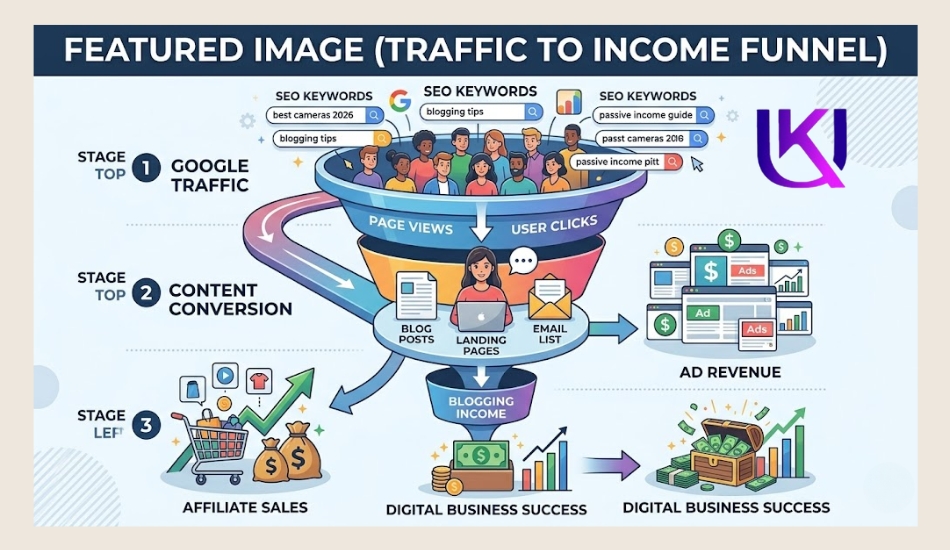
How Long Does It Take to Make Money Blogging?
When you start a WordPress blog, one of the first real questions is simple: “How long before I actually earn money from this?”
The honest answer is that it depends on your effort, strategy, and consistency with SEO on Google.
Most beginners expect fast income, but blogging is a slow build system that turns into long-term passive income.
1. Typical Blogging Income Timeline
| Stage | Time Period | What Happens | Income Level |
| Starting Phase | 0–3 months | Set up, publishing, and learning SEO | $0 |
| Growth Phase | 3–6 months | First traffic starts coming | Low ($0–$100/month) |
| Building Phase | 6–12 months | Ranking improves, consistent traffic | Medium ($100–$1,000/month) |
| Scaling Phase | 12+ months | Authority builds stable traffic | High ($1,000+/month) |
2. Why Blogging Takes Time?
Blogging is not instant because:
- Google needs time to trust your site
- Content must get indexed and ranked
- Backlinks and authority take time
- Competition already exists
- SEO compounds slowly
This is why consistency matters more than speed.
3. What Affects Your Income Speed?
Your results depend on:
- niche choice
- keyword research quality
- content consistency
- SEO optimization
- website speed
- backlinks and authority
- user engagement
A well-planned blog can grow much faster than a random one.
4. How Bloggers Reach $1000/Month?
To reach higher income levels, bloggers usually combine:
- affiliate marketing from programs like Amazon Associates
- display ads from Google AdSense or Mediavine
- digital products
- services or consulting
They also use tools like:
to track growth and improve performance.
5. Common Beginner Expectations
Many beginners wrong thinking:
- “I will earn in a few days.”
- “More posts, instant money.”
- “Ads will pay a lot immediately.”
But real blogging works like: slow growth, steady traffic, long-term income
6. Realistic Truth About Blogging Income
Most successful bloggers agree:
- First income is usually small
- Traffic comes before money
- consistency beats shortcuts
- SEO is a long-term game
- Authority builds over time
7. Beginner Mistakes to Avoid: Start a WordPress Blog and Make Money.
Quitting too early. Most blogs fail not because they don’t work, but because:
- People stop after 1–2 months
- They don’t publish enough content
- They ignore SEO basics
8. What You Should Focus On Instead
Ideally of worrying about fast income, focus on:
- publishing helpful content
- targeting long-tail keywords
- improving SEO structure
- building topical authority
- increasing traffic steadily
9. Simple Mindset Shift
Think of blogging like building an asset: Every article you publish is a long-term traffic machine, not a quick post.
10. After This Step
Once you understand the timeline, the next step is avoiding mistakes that slow down your growth and delay your income.

Common Blogging Mistakes That Kill Growth
Most people who try to start a WordPress blog and make money fail for simple reasons. Not because blogging doesn’t work, but because they repeat the same avoidable mistakes.
These mistakes slow down your traffic from Google, reduce rankings, and stop monetization before it even starts.
1. Writing Without Keyword Research
Many beginners write articles based on ideas rather than search demand. This leads to:
- no traffic
- no ranking
- no monetization
Without keyword research, your content has no direction.
2. Choosing the Wrong Niche
A weak niche makes it hard to grow. Common problems:
- too broad topics
- no monetization potential
- low search demand
- No buyer intent
A focused niche builds topical authority faster.
3. Ignoring SEO Basics
SEO is what brings free traffic. Beginners often ignore:
- meta titles
- internal linking
- long-tail keywords
- search intent
- content structure
Without SEO, even good content stays invisible.
4. Slow or Poor Website Setup
A slow website kills user experience and rankings. That is why professionals use reliable hosting like:
- SiteGround
- Hostinger
- Bluehost
Speed affects:
- SEO rankings
- bounce rate
- ad revenue
- affiliate clicks
5. Overusing Design Instead of Content
Many beginners spend too much time on design using tools like Elementor instead of writing content. But traffic comes from content, not design.
6. Publishing Low-Quality or AI Spam Content
Google now prioritizes helpful content on Google. Thin or copied content leads to:
- no ranking
- indexing problems
- low trust
Focus on real value, not quantity.
7. Not Using SEO Tools
Without tools, optimization becomes harder. Useful plugins include:
- Rank Math
- Yoast SEO
These help improve:
- keywords
- readability
- schema markup
- on-page SEO
8. Not Tracking Performance
If you don’t track data, you cannot improve.
Use:
- Google Search Console
- Google Analytics
They show:
- What pages get traffic
- which keywords rank
- user behavior
- indexing issues
9. Expecting Fast Money
Blogging is not instant income. Beginners often quit because:
- no early earnings
- low traffic at the start
- slow SEO growth
But real blogs grow over time.
10. Not Building an Email List
Without email marketing, you lose long-term traffic. Tools like:
- ConvertKit
- Mailchimp
help you:
- build audience
- increase repeat visitors
- promote offers
Key Lesson
Most blogging failures come from: no strategy + no patience + no SEO focus
11. What You Should Do Instead
To succeed:
- Use keyword research first
- write helpful content
- Focus on SEO and user intent
- Stay consistent for months
- track and improve results
Now that you know what to avoid, the final step is understanding the long-term value of blogging and whether it is still worth it in 2026.

Is Blogging Still Worth It in 2026?
If you want to start a WordPress blog to make money, you may wonder if it still works today. With AI tools, short videos, and fast-changing trends on Google, many beginners think blogging is dead.
But the reality is different.
Blogging is still one of the strongest long-term ways to build passive income online if you do it the right way.
Why Blogging Still Works and Actually Makes Money in 2026?
Blogging still works because people will always search for answers. Every day, users search for:
- How to solve problems
- product reviews
- step-by-step guides
- comparisons
- tutorials
Search engines still need helpful content to show results.
The Role of SEO in 2026
Modern blogging is powered by SEO, not luck. If your content is optimized well, it can rank on Google for years. To succeed, you need:
- keyword research
- semantic SEO
- internal linking
- topical authority
- helpful content
This is how blogs grow long-term traffic.

AI Changed Blogging, But Did Not Replace It
AI can generate content, but it cannot fully replace real experience, trust, and human insight. Google now focuses more on:
- real experience
- helpful answers
- trusted sources
- content quality
This means low-quality AI spam content often fails to rank.
Why WordPress Is Still Powerful?
A self-hosted WordPress blog is still one of the best platforms because it gives you:
- full control
- SEO flexibility
- monetization freedom
- plugin ecosystem
- long-term scalability
That is why millions of websites still run on it.
Monetization Is Stronger Than Before
Bloggers today have more income options than ever:
- affiliate marketing from programs like Amazon Associates
- display ads from Google AdSense or Mediavine
- digital products
- freelance services
- email marketing funnels
With tools like ConvertKit and Mailchimp, bloggers can turn traffic into long-term income.
Why Most People Still Fail?
Blogging still works, but people fail because they:
- Give up too early
- ignore SEO
- publish low-quality content
- choose wrong niches
- expect fast money
Success depends on patience and strategy, not shortcuts.
What is The Real Truth About Blogging?
Blogging is not:
- a quick money trick
- an overnight success system
- a passive income from day one
Blogging is a long-term digital asset that grows with time
Final Reality Check
If you:
- learn SEO
- Choose a good niche
- publish helpful content
- stay consistent
Then your blog can grow into a real income source. But if you stop early, nothing will happen.
Final Transition
Now that you understand the future of blogging, the last step is simply turning your blog into a real, scalable income system that keeps growing over time.
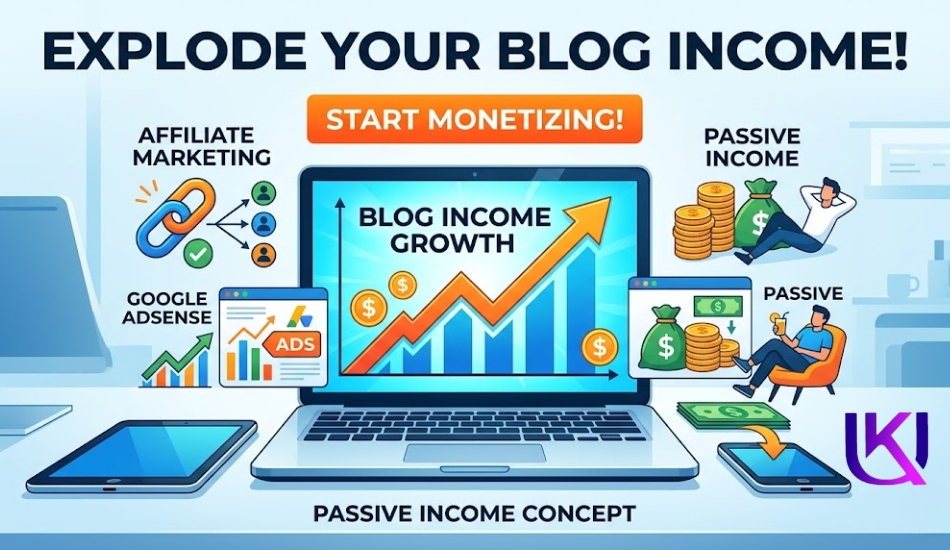
Step-by-Step Action Plan Beginner Blogging Checklist
This is your complete roadmap for building a money-ready WordPress blog and growing it with Google traffic.
Full Setup + Growth + Monetization Checklist
| Step | What You Do | Tools / Entities | Goal |
| 1 | Choose a niche | blogging niche research | Focus on one profitable topic |
| 2 | Buy hosting & domain | SiteGround / Hostinger / Bluehost | Build a strong website foundation |
| 3 | Install WordPress | WordPress | Launch your blog system |
| 4 | Choose theme | Astra / GeneratePress / Elementor | Fast, mobile-friendly design |
| 5 | Install plugins | Rank Math / Yoast SEO / WP Rocket / WPForms | SEO, speed, and lead capture |
| 6 | Keyword research | SEO keywords, search intent, long-tail keywords | Find topics people actually search |
| 7 | Write blog posts | SEO content, semantic SEO, helpful content | Rank on Google and get traffic |
| 8 | Set up tracking tools | Google Search Console / Google Analytics | Track traffic and performance |
| 9 | Drive traffic | SEO, social media, email marketing | Get consistent visitors |
| 10 | Monetize blog | Google AdSense / Mediavine / affiliate marketing | Start earning income |
| 11 | Build an email list | ConvertKit / Mailchimp | Create repeat visitors |
| 12 | Stay consistent | content strategy, SEO updates, blogging routine | Long-term growth |
Simple Rule: Why This Table Works
Setup → Content → Traffic → Monetization → Scaling
- easy to follow step-by-step
- clear beginner roadmap
- reduces confusion
- connects SEO + monetization + tools
- improves real-world execution
Final Result follows this checklist:
- Your blog becomes SEO-ready
- Traffic starts growing
- Income opportunities increase
- Long-term passive income becomes possible
Blogging is not a quick trick. It is a system. Build it step by step, and your blog becomes a real online asset over time.
Conclusion: Your WordPress Blog Can Become a Real Income System
Starting a WordPress blog is not just about publishing articles. It is about building a long-term digital asset that can earn money from traffic coming through Google.
If you follow the right steps, niche selection, keyword research, SEO content, traffic building, and smart monetization, you are not just writing blogs. You are building an online business.
Most beginners fail because they expect fast results. But blogging works differently. It grows slowly at the start, then compounds over time. Every helpful article you publish becomes a small traffic engine that keeps working for months or even years.
With strategies like affiliate marketing through Amazon Associates, display ads like Google AdSense, and email marketing tools such as ConvertKit or Mailchimp, your blog can turn traffic into real income streams.
You don’t need thousands of posts. You need the right strategy, consistency, and patience.
If you stay focused on solving real problems, targeting search intent, and improving your SEO over time, your blog can grow into a stable source of passive income.
Blogging in 2026 is still powerful, but only for those who treat it like a real business, not a quick shortcut.
Your journey starts small, but with the right system, it can grow into something big, stable, and long-lasting.
Helpful article: What Is SEO and How Does It Really Work in 2026?
FAQ: Start WordPress Blog Make Money.
1. Can I earn money from a WordPress blog?
Yes, you can earn money from a WordPress blog if you build traffic and use proper monetization methods. Most bloggers earn through affiliate marketing, ads, digital products, or services. A self-hosted WordPress site gives full control over income opportunities.
2. How long does it take to make $1000 per month blogging?
Most blogs take 6 to 12 months to reach $1000/month. It depends on niche, SEO strategy, and content quality. Blogs in high-value niches like finance, SaaS, or hosting can grow faster if they rank well on Google.
3. How do beginner bloggers make money?
Beginner bloggers usually start with Affiliate marketing (product recommendations). Display ads like Google AdSense. Freelance services and simple digital products. Affiliate programs like Amazon Associates are common for beginners.
4. How much does WordPress pay bloggers?
WordPress does not directly pay bloggers. It is a platform. Bloggers earn money through traffic, ads, affiliate marketing, and digital products built on their WordPress website.
5. Is WordPress still good for blogging in 2026?
Yes, WordPress is still one of the best platforms for blogging. It offers SEO flexibility, plugin support, and full monetization control. Many successful websites still rely on WordPress for long-term income.
6. How many visitors do I need to make money from a blog?
You can start earning with even a few hundred visitors per month, but a stable income usually requires thousands of monthly visitors. The key is not just traffic, but targeted traffic with buying intent.
7. What types of blogs make the most money?
High-income blog niches include personal finance and Digital marketing. WordPress tutorials, SaaS, and software reviews, Health and fitness, AI tools and technology. These niches have strong affiliate and ad revenue potential.
8. How do blogs make passive income?
Blogs make passive income by ranking on search engines like Google and earning from affiliate commissions, display ads like Google AdSense, evergreen content traffic, digital product sales, and Old blog posts can earn money for years.
9. Can I start blogging for free and earn money?
You can start for free on platforms, but high income requires a self-hosted WordPress setup. Free platforms limit branding, SEO control, and monetization options.
10. Why do most blogs fail to make money?
Most blogs fail because of no keyword research, inconsistent posting, weak SEO strategy, poor niche choice, and unrealistic expectations. Success requires patience, content quality, and SEO consistency.
11. Is blogging saturated in 2026?
Blogging is not saturated. But low-quality content is. High-quality, helpful, SEO-optimized content still ranks and earns money if it targets real user intent.
12. How do bloggers get traffic?
Bloggers get traffic through SEO (Google search), long-tail keywords, and internal linking, social media, and email marketing using tools like ConvertKit or Mailchimp.
13. What is the fastest way to monetize a blog?
Fastest methods include affiliate marketing, service-based blogging, niche product reviews, and high-intent keywords (buying searches). But long-term success still depends on SEO growth.