
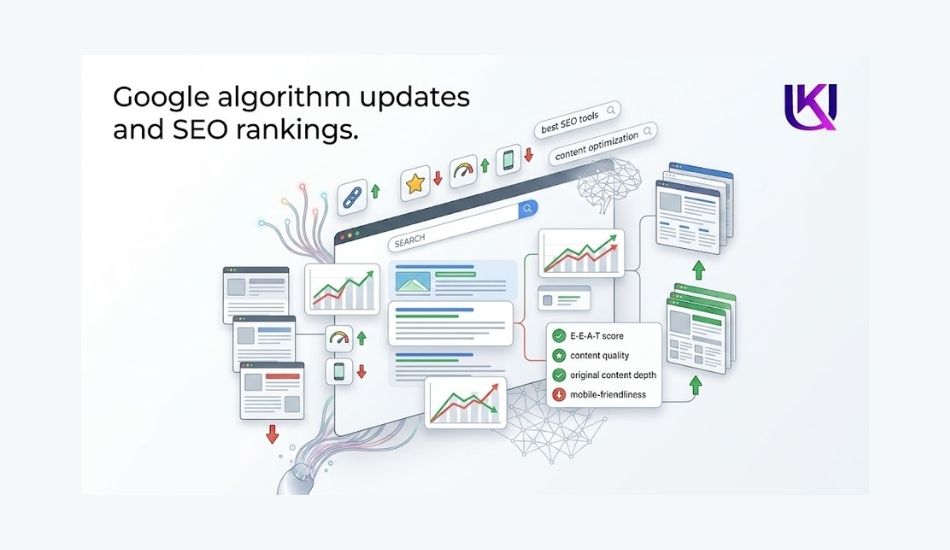
Google algorithm updates can change your website rankings, organic traffic, and visibility. If you are new to SEO, a sudden traffic drop can feel like a penalty. But a ranking change does not always mean Google has penalized your website.
Google uses many systems to understand pages and decide which results are most useful for a search. These systems continue to change as search behavior changes.
Search is also becoming more conversational, with AI-powered features such as AI Overviews and AI Mode becoming part of the search experience. Google’s current guidance says your normal SEO practices still matter for these generative AI features.
That means you do not need to chase every new SEO trick.
You need to understand what changed, check your data, improve your content, and make your website more useful for real people.
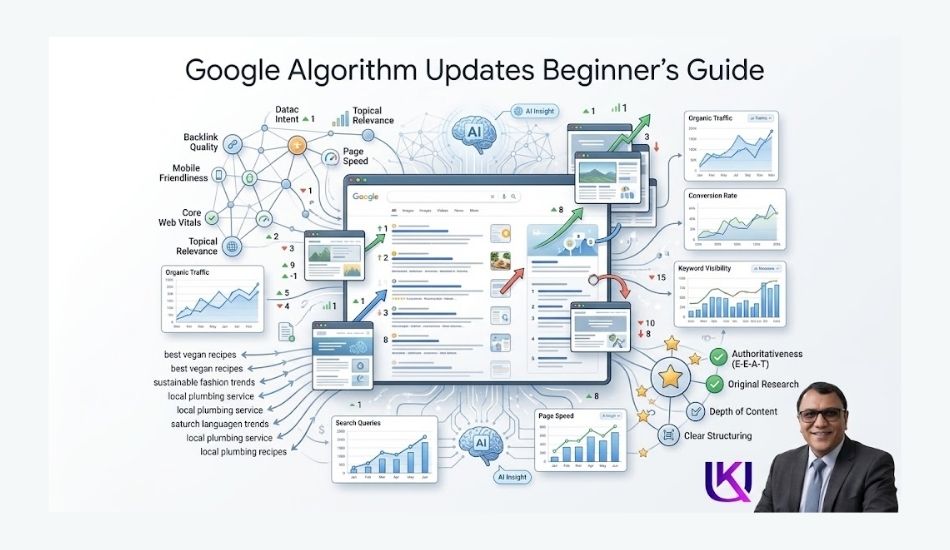
What Is a Google Algorithm Update?
A Google algorithm update is a change to the systems Google uses to organize and rank information in Search.
Google makes many changes throughout the year. Most are small and may not create a noticeable change in your traffic. Some larger updates can have a much wider effect on search results.
Google’s algorithm history shows how search has developed over time. Major changes have included Panda, Penguin, Hummingbird, RankBrain, mobile-focused changes, core updates, spam updates, and other ranking-system improvements.
Search Engine Journal’s current history also records major 2026 updates, including the March and May 2026 core updates and several spam updates.
You should understand one important point:
A Google update is not automatically a Google penalty.
Your rankings can fall because Google’s systems changed how they evaluate results. Your competitors may also have improved, search intent may have changed, or your content may no longer be the best match for the query.
Why Do Google Algorithm Updates Matter to Your SEO?
Your website competes for limited positions in search results.
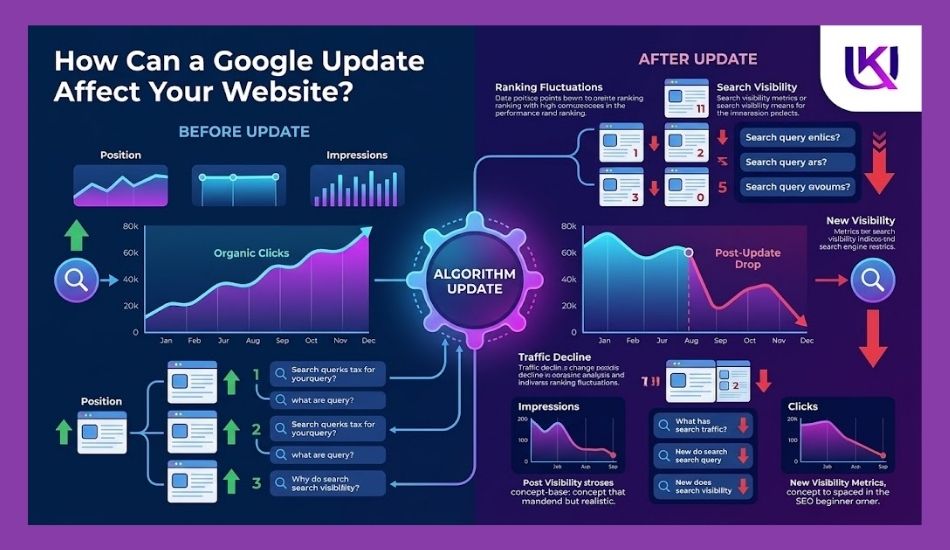
When Google’s ranking systems change, the order of those results can change too. One website may gain traffic while another loses it.
For example, you may have ranked in position three for a keyword for several months. After an update, your page may move to position eight. You could then see fewer clicks even though you did not change the page.
This is why you should not judge your SEO only by rankings.
Look at the bigger picture:
- Organic clicks
- Impressions
- CTR
- Search queries
- Average position
- Landing pages
- Leads and conversions
A ranking change becomes more useful when you can connect it to real business results.
How to Check If a Google Update Affected Your Website?
Before changing your content, investigate the data.
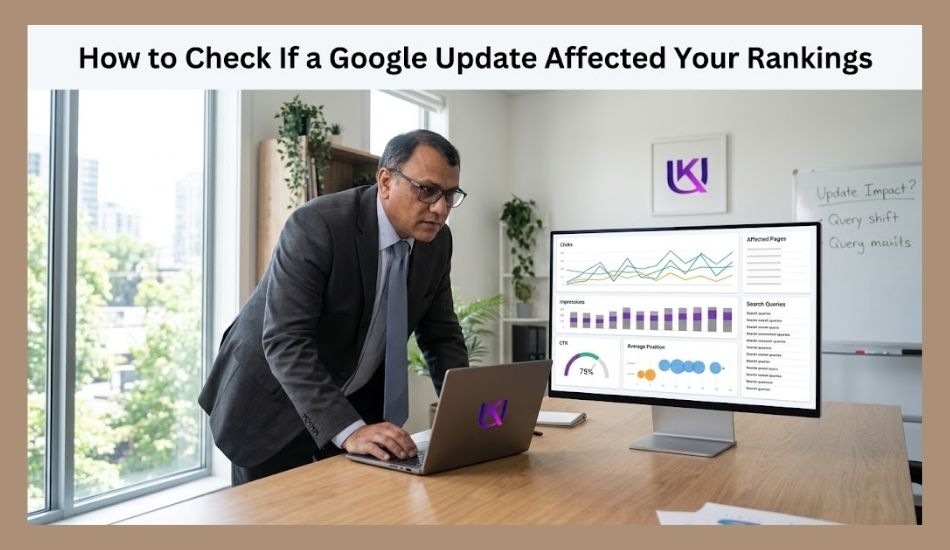
Start with Google Search Console. Compare your website’s performance before and after the period when you noticed the change.
Look for pages that lost clicks or impressions. Then check which queries changed.
For example, suppose your article received 1,000 clicks in one month and only 600 the next month. Do not immediately assume that Google caused the entire decline.
Check whether:
- Your main queries lost impressions.
- Your rankings dropped.
- Your CTR changed.
- One page caused most of the loss.
- Several pages declined together.
- Search demand changed.
- A technical problem appeared.
Then check Google’s confirmed update dates.
Search Engine Journal maintains a detailed history of confirmed and reported Google updates, including rollout dates and descriptions.
This gives you a starting point for your investigation.
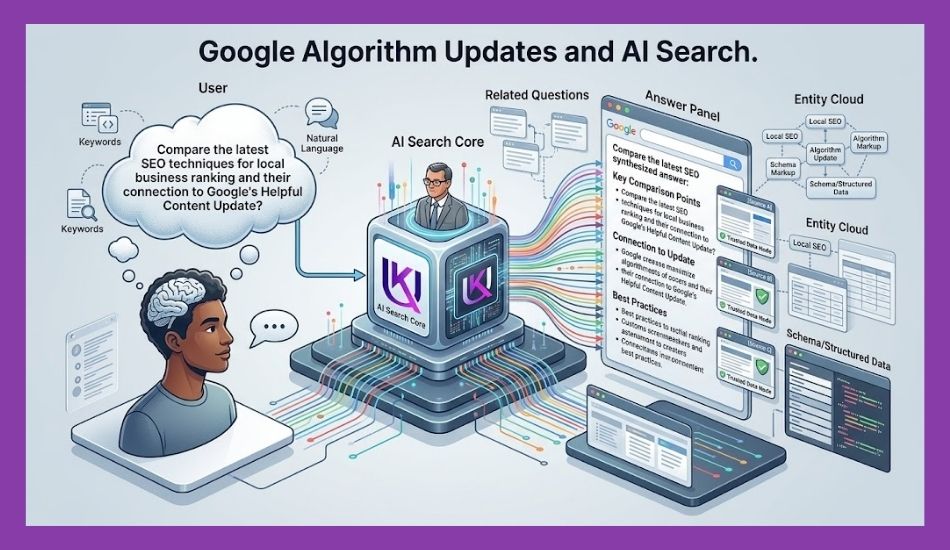
What Should You Do After a Google Core Update?
Do not rebuild your website because one update changed your rankings.
First, find the pages that matter most.
Then review those pages as if you were the person searching for the information.
Ask:
- Does this page answer the main question?
- Is the information current?
- Does the page explain the subject clearly?
- Does it provide useful examples?
- Does it show genuine experience or original information?
- Are important claims supported by reliable sources?
- Does the page match the current search intent?
These questions are more useful than simply asking whether your keyword appears enough times.
Google’s systems have become much more sophisticated than the old approach of matching an exact keyword to a page. Search now has to understand meaning, context, quality, and the user’s underlying need.
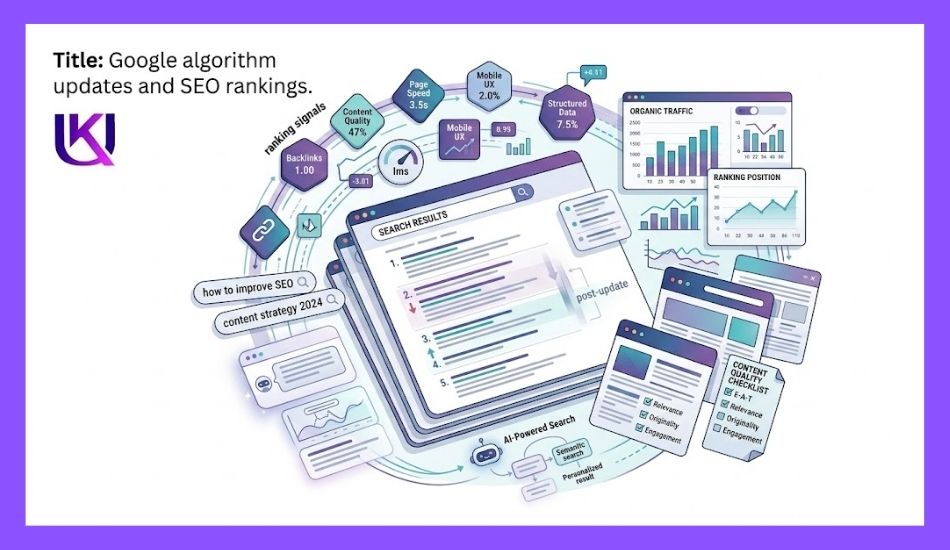
Improve Search Intent Before Adding More Keywords
One of the biggest mistakes you can make after a ranking drop is adding more keywords without understanding the searcher’s goal.
Imagine your target keyword is:
1. SEO audit
Someone searching this phrase might want to understand what an SEO audit is. Another person may want an SEO audit checklist. Someone else may be looking for an SEO professional.
Your page needs to match the purpose behind the query.
Search the keyword yourself and study the current results.
Look at what type of content Google is showing:
- Beginner guides
- Service pages
- Checklists
- Tutorials
- Comparisons
- Tools
- Case studies
Then make sure your page provides the type of answer the user expects.
Do not copy the ranking pages. Study them to understand the problem your audience is trying to solve.
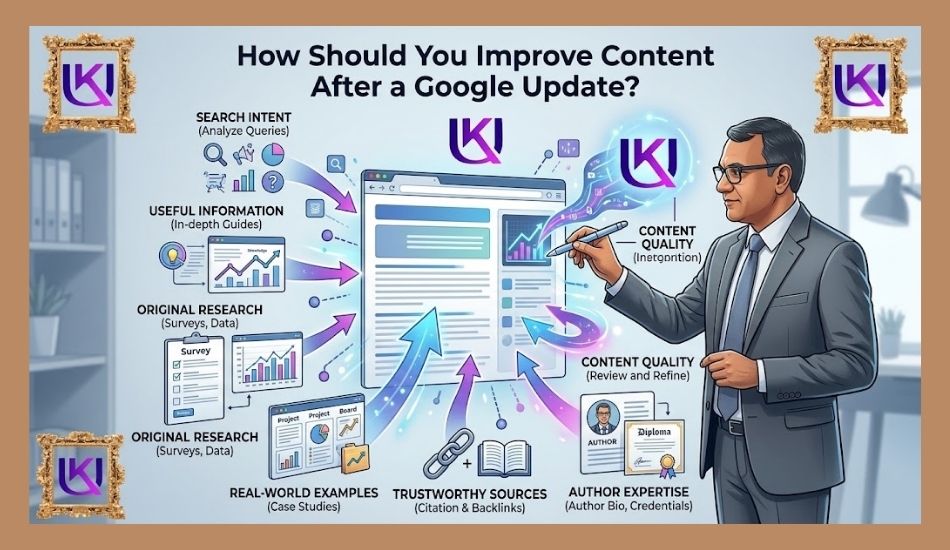
Make Your Content Useful for AI Search
AI-powered search is changing how people ask questions.
Instead of typing: Google algorithm update
a user may ask: “My website lost traffic after a Google core update. How can I find out what went wrong?”
That question contains several needs.
The user wants to understand the update, investigate the traffic loss, find the affected pages, and decide what to do next.
Your content should answer the complete problem.
Use a simple structure:
Direct answer → explanation → evidence → example → next step
This structure helps beginners understand your article and gives search systems clear information to interpret.
Google’s current Search documentation says there are no special AI-only SEO requirements that replace normal SEO fundamentals. Google also says content should be crawlable, indexable, useful, and available in formats its systems can process.
So do not create an article full of AI-search tricks.
Create a strong article that answers the user’s real question.

Use Semantic SEO Without Keyword Stuffing
Semantic SEO means covering the important concepts that belong to your topic.
For a Google algorithm update article, related concepts may include:
Google Search, core updates, spam updates, ranking systems, Search Console, search intent, content quality, E-E-A-T, technical SEO, AI Overviews, AI Mode, internal links, and organic traffic.
You do not need to force all of these terms into your article.
Use them when they help explain the subject.
For example, if you discuss ranking drops, Search Console is relevant. If you discuss content trust, E-E-A-T is relevant. If you discuss modern search behavior, AI Overviews and AI Mode may be relevant.
The goal is not to create a keyword list.
The goal is to create a complete explanation.
Show Experience and Original Information
Generic SEO advice is everywhere.
Your opportunity is to provide something more useful.
Add information such as:
- Your own SEO workflow
- Real case studies
- Original research
- Screenshots
- Data analysis
- Testing results
- Expert observations
- Practical examples
If you tell readers to check Search Console, explain exactly what you check and why.
If you tell them to improve search intent, show how you identify the intent.
This makes the content more useful than a basic definition copied across many websites.
It also supports the broader E-E-A-T approach: experience, expertise, authoritativeness, and trust.
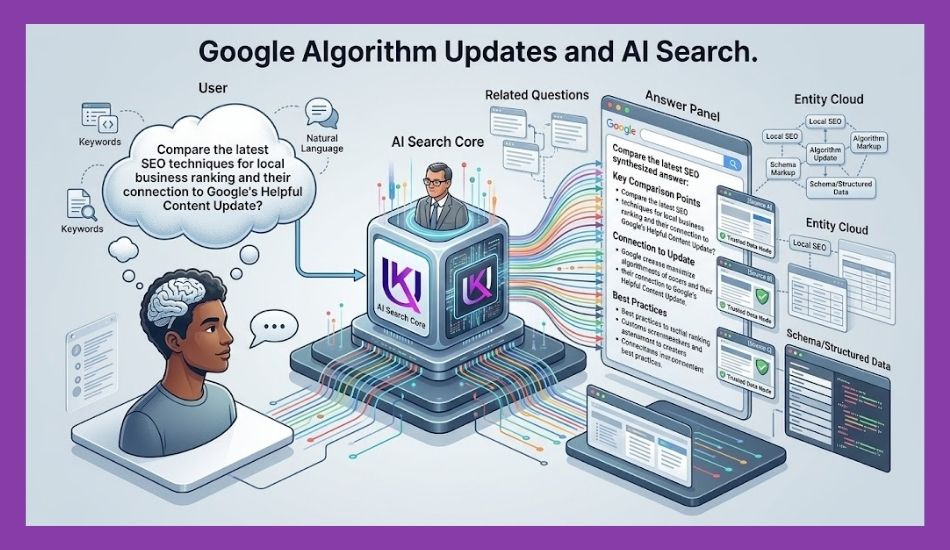
What About AI-Generated Content?
You can use AI as a writing assistant, but you should not treat AI as your entire content strategy.
AI can help you organize research, generate questions, create an outline, or improve readability.
You should still check the final content yourself.
Review:
- Facts
- Dates
- Statistics
- Sources
- Examples
- Claims
- Repetition
- Originality
Do not publish hundreds of pages simply because AI can create them quickly.
Google’s current documentation makes clear that its spam policies also apply to generative AI search experiences. Google has also expanded its guidance around scaled content abuse and generative AI.
Your standard should be simple:
Would this page still be useful if the reader never knew AI helped create it?
If yes, you are moving in the right direction.
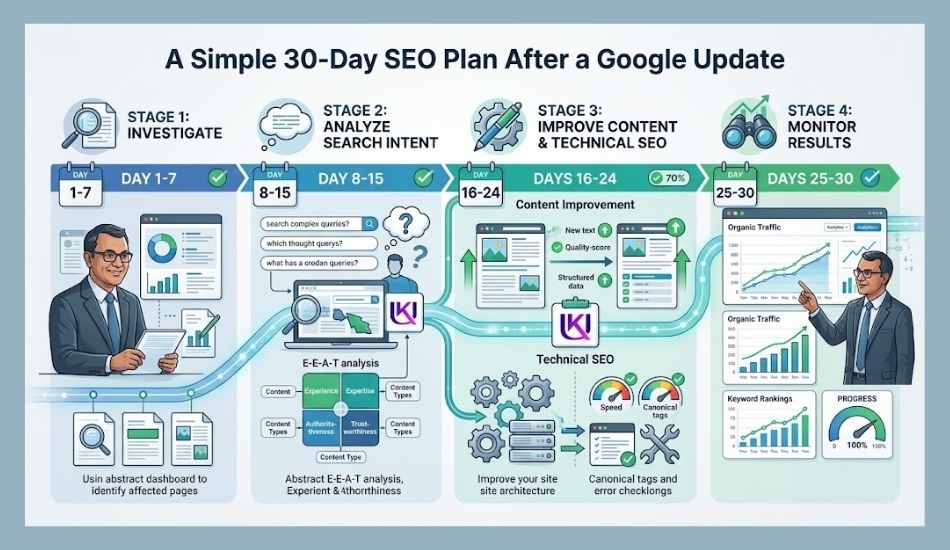
A Simple 30-Day SEO Plan After a Ranking Drop
You do not need to fix everything in one day.
Days 1–7: Investigate
Use Search Console to identify affected pages and queries. Check update dates, technical problems, search intent, and competitor changes.
Do not make large changes yet.
Days 8–17: Improve Content
Start with your most important pages.
Improve weak explanations, outdated information, missing questions, poor examples, and search-intent problems.
Remove unnecessary repetition too.
Do not make the page longer just to increase word count.
Days 18–24: Improve Trust and Structure
Add genuine experience, reliable sources, useful internal links, clear author information, and relevant supporting content.
Connect your main article with related pages on your website.
For example:
Google Algorithm Updates
- SEO Audit
- Technical SEO
- Content Strategy
- Google Search Console
- AI Search Optimization
Days 25–30: Measure
Record what you changed and when you changed it.
Then monitor clicks, impressions, rankings, queries, and conversions.
Do not judge the result after one day.
Give your changes time and continue comparing the data.
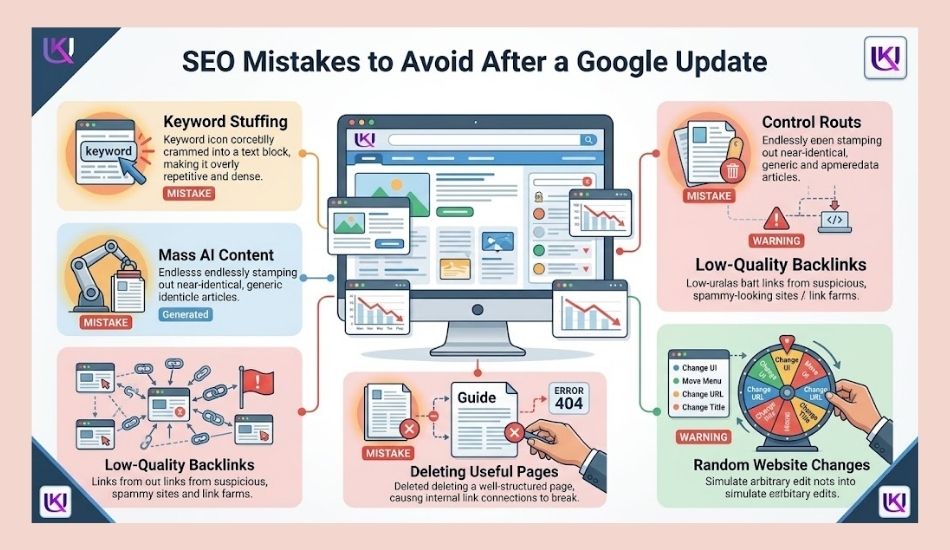
SEO Mistakes to Avoid After a Google Update
- Do not panic and delete your best pages.
- Do not stuff your keywords into every paragraph.
- Do not buy large numbers of low-quality backlinks.
- Do not publish hundreds of weak AI-generated articles.
- Do not change your URLs without a clear reason.
- Do not add schema simply because someone calls it an AI ranking trick.
- Do not assume every traffic drop is a Google penalty.
- Most importantly, do not make ten major changes at the same time.
If you change everything together, you make it difficult to understand what actually helped.
Conclusion: Build SEO That Can Adapt
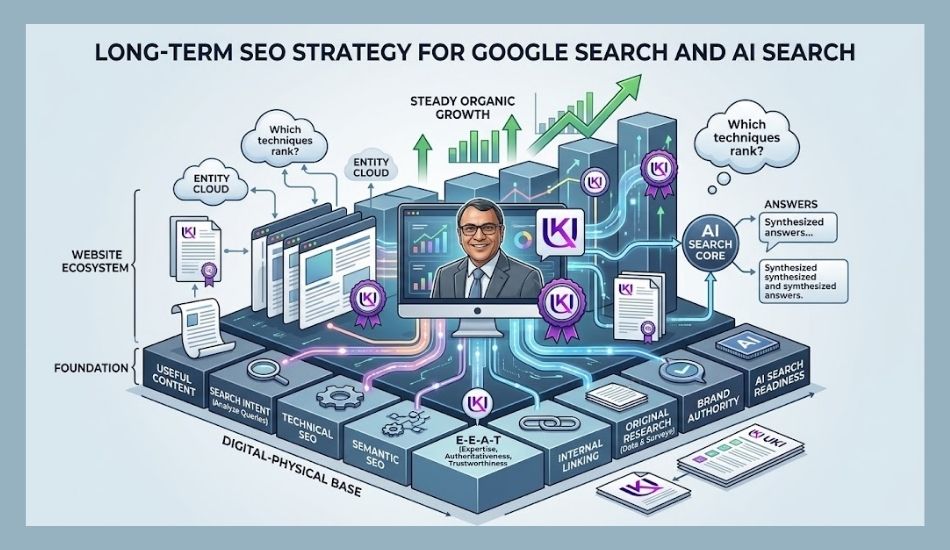
Google will continue to change its ranking systems. AI Search will continue to change how people discover information. Your competitors will continue to publish new content. You cannot control those changes. You can control how you respond.
When your rankings fall, investigate before you react. Use Search Console data, review search intent, improve weak content, strengthen trust, fix technical problems, and measure the results.
You should also build content that works beyond one keyword. Answer real questions, cover the important concepts around your topic, add original information, and make your expertise clear.
That is a stronger SEO strategy than chasing every algorithm rumor.
If you want professional help identifying technical, content, semantic SEO, or AI Search opportunities on your website, you can explore the SEO services available through ukdeb.net.
Your long-term goal is simple: build a website that remains useful when search changes.
Relevant article: How to Build a Personal Brand as an SEO Freelancer in 2026?
FAQs About Google Algorithm Updates for Beginners’ Guide.
1. What is a Google core update?
A Google core update is a broad change to Google’s core ranking systems. It can change how Google evaluates and ranks pages. If your traffic drops during a core update, you should investigate your content and search intent before assuming your website has been penalized.
2. How do you know if Google updated its algorithm?
You can check Google’s official Search status information and compare the timing with your Search Console data. You can also use reliable SEO industry resources that track confirmed updates and their rollout dates. Search Engine Journal maintains a detailed Google algorithm history with update dates and descriptions.
3. Can a Google algorithm update lower your rankings?
Yes. Your rankings can move after an update because Google’s systems have changed. A ranking drop does not automatically mean your website has violated a Google policy. You should investigate the affected pages, queries, search intent, content quality, and technical SEO.
4. Should you change your content after a core update?
Only when you find a real reason to improve it. Review the page against the current search results, check whether the information is still useful, and identify missing or weak sections. Avoid making random changes simply because your rankings moved.
5. Does keyword density help SEO?
There is no keyword-density percentage you need to reach. Use your primary keyword naturally and explain the topic clearly with related concepts and useful answers. Repeating a keyword too often can make the article harder to read.
6. Does AI Search change SEO?
AI Search changes how answers can be presented, but it does not remove the need for strong SEO fundamentals. Google says its generative AI search features still rely on established Search systems and SEO practices.
7. Can AI-generated content rank?
AI-assisted content can appear in Search, but using AI does not make low-value content useful. Your final page should provide accurate information, satisfy the user’s intent, follow Google’s policies, and add real value.
8. How can you recover from a ranking drop?
Start with evidence. Check Search Console, identify affected pages and queries, confirm whether an update occurred, review search intent, check technical SEO, and improve weak content. Then monitor the results instead of making repeated random changes.