
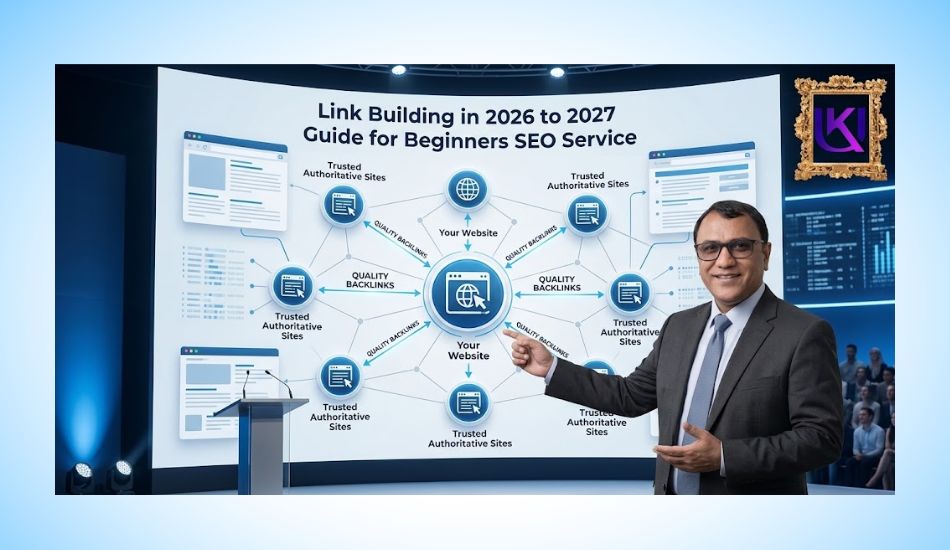
Link Building in 2026 – 2027 Guide is less about getting as many backlinks as possible and more about earning the right links from trusted, relevant websites.
If you are building links for your website, you may wonder which methods still work, which ones waste your time, and which ones could put your site at risk.
You do not need hundreds of links to build a strong SEO profile. You need links that make sense for your topic, help your users, and support your website’s trust.
In this guide, you will learn how Google Search, Google Search Console, and modern SEO practices fit into a safe link-building plan.
You will also see why Google EEAT (Experience, Expertise, Authoritativeness, and Trustworthiness) matters when you create content that earns links.
Instead of using spammy backlinks, paid links, link schemes, or low-quality guest posts, you can focus on digital PR, content marketing, linkable assets, outreach, relevant websites, and natural editorial links.
These methods can help you build authority while keeping users first.
You will also learn how semantic SEO, NLP (Natural Language Processing), topical relevance, anchor text, referring domains, domain authority, and backlink quality connect with modern search.
Most importantly, you will know what to avoid. If your goal is to build links that can support long-term organic traffic in 2026 and 2027, this guide gives you a clear path without making SEO harder than it needs to be.
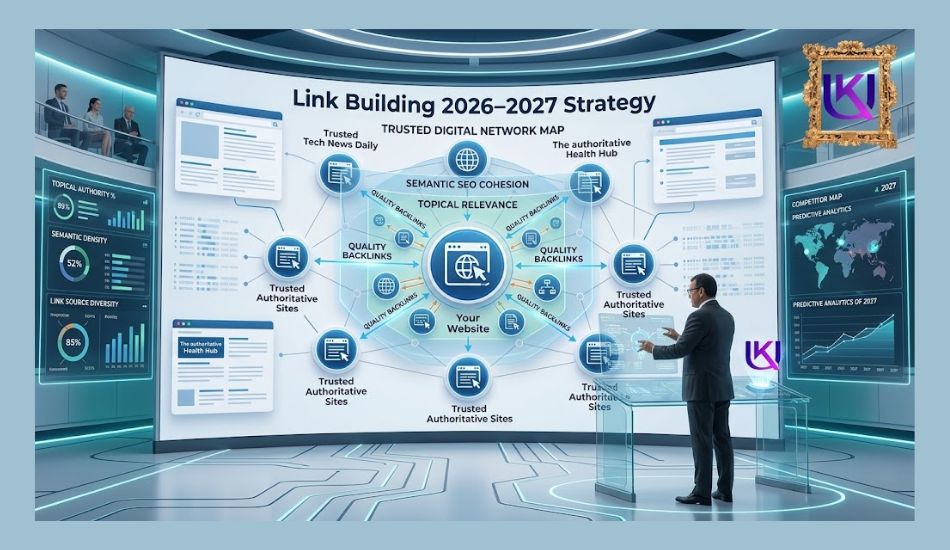
What Has Changed in Link Building for 2026–2027?
Link building is no longer a numbers game. You cannot build 1,000 weak backlinks and expect your website to become stronger. Search engines look at the quality, relevance, context, and trust behind the links you earn.
If you want safer SEO (Search Engine Optimization) results, think about every backlink from the user’s perspective.
Ask yourself: Does this link belong on this page? Does it help the reader? Is the website relevant to my topic?
If the answer is yes, the link has a real reason to exist.
1. Relevance Matters More Than Volume
A backlink from a website related to your subject can be more useful than many links from unrelated sites.
For example, if you run a cybersecurity website, a natural link from a respected technology or security publication makes more sense than dozens of links from random blogs.
This is where semantic SEO becomes useful. Your links should support the topic of your page, not just contain your target keyword. The surrounding content, page topic, anchor text, and linked page should make sense together.
2. Your Content Must Give People a Reason to Link
Modern link building works best when you create something worth referencing. This could be original research, useful statistics, a detailed guide, a calculator, a study, a case study, or a helpful visual.
These are often called linkable assets. When your content gives other writers something useful to cite, you have a better chance of earning natural editorial backlinks.
3. Trust Is Part of the Strategy
Your backlink strategy should also support Google EEAT. Show real experience, clear authorship, useful information, trustworthy sources, and strong topical knowledge.
You should not build links only to make search engines notice your website. Build them because they can help people discover useful information.
That simple change in mindset can make your 2026–2027 link-building strategy safer, stronger, and easier to maintain.
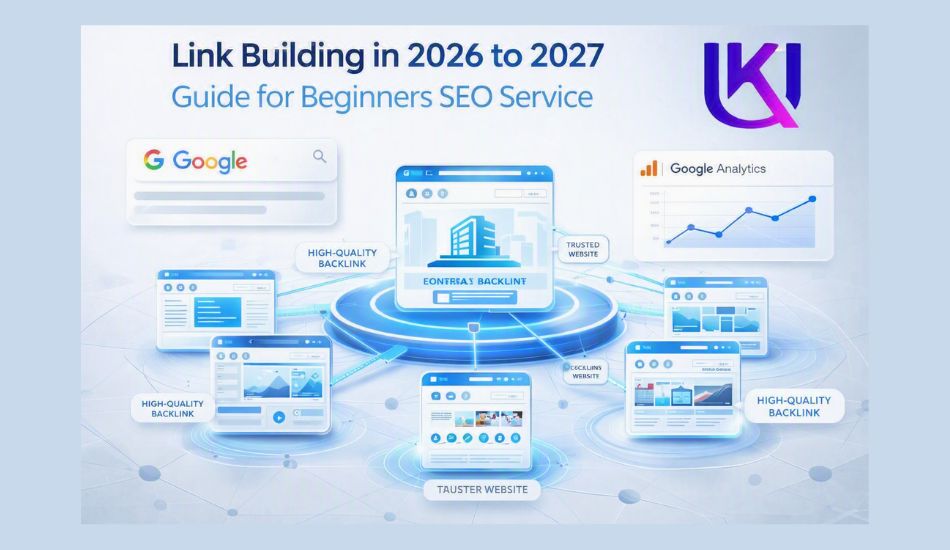
What Link Building Methods Still Work in 2026–2027?
You can still build strong backlinks in 2026 and 2027, but the method matters. The safest approach is to create something useful first and then earn links from websites that have a real reason to mention your content.
1. Create Linkable Content
Start with content that people want to reference. You can publish original research, useful statistics, case studies, expert guides, checklists, tools, calculators, or strong visual resources.
For example, if you publish a study with original data, another writer may link to your page when discussing the same topic. That link has a clear purpose because it gives their readers more evidence.
2. Use Digital PR
Digital PR can help you earn links from news sites, industry publications, and other trusted websites. You can share original data, expert opinions, surveys, research, or useful stories with journalists and publishers.
The goal is not to ask every website for a backlink. Your goal is to give publishers information that is useful for their audience.
3. Build Relationships With Relevant Websites
Good outreach is still useful when you approach the right people. Look for websites that cover your industry or a closely related topic.
Before contacting a site, check its content. Make sure your resource fits the page and offers something useful. A short, personal outreach message is usually better than sending the same email to hundreds of websites.
4. Earn Editorial Links
An editorial backlink is a link a website adds because the writer believes your content is useful. You do not need to force the link or use exact-match keywords.
These links can be valuable because they are connected to real content and a real reader need. Focus on creating resources that other writers can confidently recommend.
5. Use Guest Posting Carefully
Guest posting can still have a place in SEO when you write for relevant, trusted websites and provide genuine value. The problem starts when you publish low-quality articles only to place backlinks.
Avoid publishing the same article across many websites. Do not use large guest-post networks created mainly for links. Choose quality and relevance over volume.
6. Use Competitor Backlink Research
You can study your competitors’ backlink profiles to find websites, publications, and content types that may be relevant to your own strategy.
Tools can help you discover referring domains and link opportunities. But do not copy every link you find. A competitor may have weak or risky links. Review each opportunity and ask whether it makes sense for your website.
The simple rule: build links that you would still want even if search engines did not exist. If a link can bring you relevant visitors, support your content, and come from a trusted source, it is much more likely to be worth pursuing.
Link Building Tactics That Can Get You Penalized
Not every backlink is helpful. Some link-building tactics can create a risk for your website, especially when you build links only to manipulate search rankings. You should be careful with any method that puts the number of links ahead of their purpose and quality.
1. Buying Links for Ranking Purposes
Paying for a backlink can become risky when the main purpose is to manipulate search rankings. This is different from paying for legitimate advertising where the link is properly marked as sponsored.
Before you pay for any link, ask what you are actually buying. If you are simply paying a website to pass ranking value to your page, you should avoid the tactic.
2. Private Blog Networks
Private Blog Networks (PBNs) are groups of websites created or controlled mainly to build backlinks to another site. They may look like normal websites, but their main purpose is often link manipulation.
Building a large number of sites to control backlinks can create a weak and risky SEO foundation. You are better off earning links from real websites that have their own audience and purpose.
3. Spammy Link Exchanges
A simple link exchange is not automatically bad. The problem comes when you create large-scale or excessive exchanges mainly to influence rankings.
For example, you should be cautious about schemes where many websites agree to link to each other without a real reason. A natural mention between two useful resources is very different from a planned network of links.
4. Automated Backlinks
Avoid tools or services that promise thousands of backlinks in a short time. These links often come from low-quality pages, spam sites, comment sections, or automatically generated content.
You may see a large backlink number in an SEO tool, but more links do not always mean better SEO. A smaller number of relevant, trustworthy links can be far more useful.
5. Irrelevant Guest Posts and Directory Links
You should also avoid submitting articles or listings to websites that have no real connection to your topic. A link from an unrelated site can look unnatural when there is no clear value for the reader.
The same rule applies to directories. A trusted industry directory can be useful, especially for local businesses. But submitting your website to hundreds of random directories to gain backlinks is not a strong strategy.
6. Over-Optimized Anchor Text
Anchor text is the clickable text used for a link. If every website uses the same keyword-rich anchor text to link to your page, your backlink profile can look unnatural.
Use anchor text that fits the sentence. Your brand name, page title, natural phrases, and relevant descriptive text can all make sense depending on the context.
7. The Better Approach
You do not need to fear every backlink. The real issue is manipulative link building.
Instead of asking, “How can I get more backlinks?”, ask, “What can I create that another website would genuinely want to reference?”
That question moves your strategy toward quality, relevance, helpful content, digital PR, and natural editorial links– areas where sustainable link building becomes much stronger.
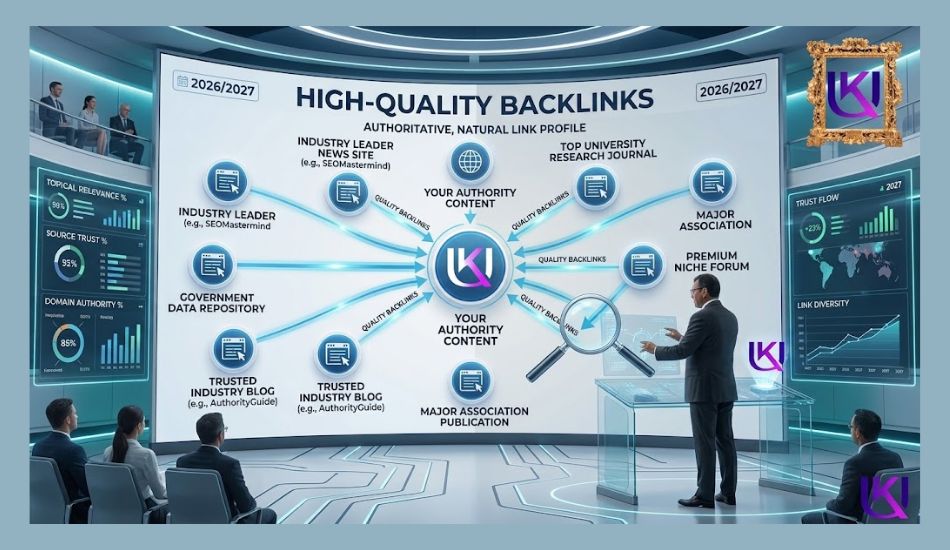
How to Build High-Quality Backlinks in 2026–2027
If you want backlinks that support your SEO for years, start with quality and relevance. You do not need to chase every website that offers a link. Instead, build content and relationships that make your website worth mentioning.
1. Start With a Useful Resource
First, create something another website would want to reference. A basic blog post may not be enough if many websites already cover the same topic.
You can make your page more useful with:
- Original research
- Real case studies
- Expert opinions
- Fresh statistics
- Step-by-step guides
- Free tools or calculators
- Checklists
- Original images or data
- Detailed industry reports
The stronger the resource, the easier it becomes to explain why someone should link to it.
2. Find Relevant Link Opportunities
Next, look for websites that already discuss your subject. You can use backlink research tools to find referring domains, competitor links, industry publications, resource pages, and websites that mention similar topics.
Do not judge an opportunity only by a high domain rating or authority score. Check the actual website.
Ask:
- Is the site relevant to your topic?
- Does it have useful content?
- Does it appear to have real readers?
- Would your link help those readers?
- Is the page connected to your subject?
If the answer is yes, the opportunity is worth considering.
3. Use Personalized Outreach
When you find a good opportunity, contact the website owner or writer. Keep your message short and explain why your resource may help their readers.
Do not send the same generic message to hundreds of websites. Good outreach is based on relevance and context.
For example, if a writer has already published a guide and your research adds new data, explain that clearly. You are not simply asking for a backlink. You are showing them a resource that can improve their page.
4. Earn Links Through Original Data
Original data can be one of your strongest link-building assets. When you publish information that others cannot easily find elsewhere, writers have a reason to cite you.
For example, you could survey 500 small business owners about their SEO problems. Other writers covering small business SEO may then reference your findings and link back to your study.
This creates a natural connection between content, relevance, authority, and backlinks.
5. Build Topical Authority
Your link-building plan should not stand alone. It should support your wider content strategy.
If your website focuses on technical SEO, build a group of useful pages around related subjects such as crawling, indexing, Core Web Vitals, structured data, internal links, and website speed.
When relevant websites link to different pages across your site, those links can strengthen your broader topical presence.
6. Measure More Than Backlink Count
Do not judge your campaign only by the number of links you gained.
Track:
- New referring domains
- Relevant backlinks
- Referral traffic
- Pages earning links
- Organic search visibility
- Keyword performance
- Link quality
- Brand mentions
A backlink that sends qualified visitors can be more valuable to your business than ten links that nobody clicks.
The goal is simple: create useful content, reach the right websites, and earn links that have a real reason to exist. That is a much stronger foundation than chasing large backlink numbers.
How Google Evaluates Links in 2026–2027
When you build backlinks, you should look beyond the link itself. Google can understand the context around a link, including the page topic, the words used in the link, and how the linked page relates to the content.
This means a backlink should fit naturally into the page. If a website talks about technical SEO and links to your detailed guide about crawling and indexing, the connection is clear.
If the same website suddenly links to an unrelated page about cooking, the link makes much less sense.
1. Relevance Comes First
A relevant backlink tells you more than just “another website mentioned you.” It shows that your content fits a topic another website is discussing.
For example, a local business may benefit from links from:
- Local news websites
- Industry associations
- Local business directories
- Community websites
- Relevant suppliers
- Local organizations
You should always look at the relationship between the linking page and your own page.
2. Context Gives a Link Meaning
The words around your backlink also matter. A link placed inside a useful paragraph can make more sense than a link dropped into a random list of websites.
This is why you should avoid forcing keywords into every anchor text. Write the sentence naturally and let the link support the information.
3. Use Sponsored and Nofollow Links Correctly
Not every useful link needs to pass ranking signals.
If a link is an advertisement or paid placement, it should be identified appropriately. Google also supports link attributes such as rel=” sponsored” and rel=”nofollow” for specific situations.
These attributes help search engines understand why the link exists.
4. Watch Your Overall Link Profile
You should also look at your backlink profile as a whole. A healthy profile can include different types of links, different referring domains, brand mentions, and natural anchor text.
Do not try to create an artificial pattern just because an SEO tool says your competitors have a certain percentage of exact-match anchors.
Your goal is not to make your backlink profile look perfect.
Your goal is to make it natural, relevant, useful, and trustworthy.
5. Google EEAT and Link Building
EEAT can also shape how you approach link building. Your website should show real experience, useful expertise, clear information, and reasons for users to trust you.
A backlink cannot create EEAT by itself. But being mentioned by relevant, trusted sources can support your wider reputation.
So, instead of building links only for rankings, build a website that people and other publishers are comfortable recommending. That approach gives your link-building strategy a stronger long-term foundation.

How to Use AI in Link Building Without Creating Spam
AI can help you plan and manage link-building work, but you should not use it to create hundreds of low-quality backlinks. The tool can speed up research, but you still need human judgment.
1. Use AI for Link Prospect Research
You can use AI to organize potential websites based on:
- Topic relevance
- Industry
- Location
- Content type
- Existing backlink opportunities
- Outreach priority
This can save you time when you have a long list of websites to review.
But do not assume every AI suggestion is a good link opportunity. Open the website and check it yourself.
2. Use AI to Find Content Gaps
AI can help you compare topics and find questions that existing content does not answer well. You can then create a better resource that gives people a reason to reference your page.
For example, if most articles provide general SEO advice, you could publish original data, a real case study, or a simple checklist.
That gives your content a stronger linkable asset.
3. Do Not Automate Outreach at Scale
Sending thousands of AI-written emails is not a smart link-building strategy.
A writer can usually tell when an email has no personal reason behind it. Your outreach should explain why your content fits their page.
A short message written for one relevant website is often better than hundreds of automated messages.
4. Do Not Create AI-Generated Link Networks
You should never use AI to create a large network of websites just to link back to your main website.
For example, creating dozens of thin websites, publishing automatically generated articles, and connecting them with backlinks does not create real authority. It creates an artificial link pattern.
5. Keep Human Review in the Process
Use AI for tasks such as research, sorting, brainstorming, and data analysis. Then review the final work yourself.
Your experience, expertise, and judgment should guide the campaign.
The best approach is simple and uses AI to make good link building faster, not to make bad link building bigger.
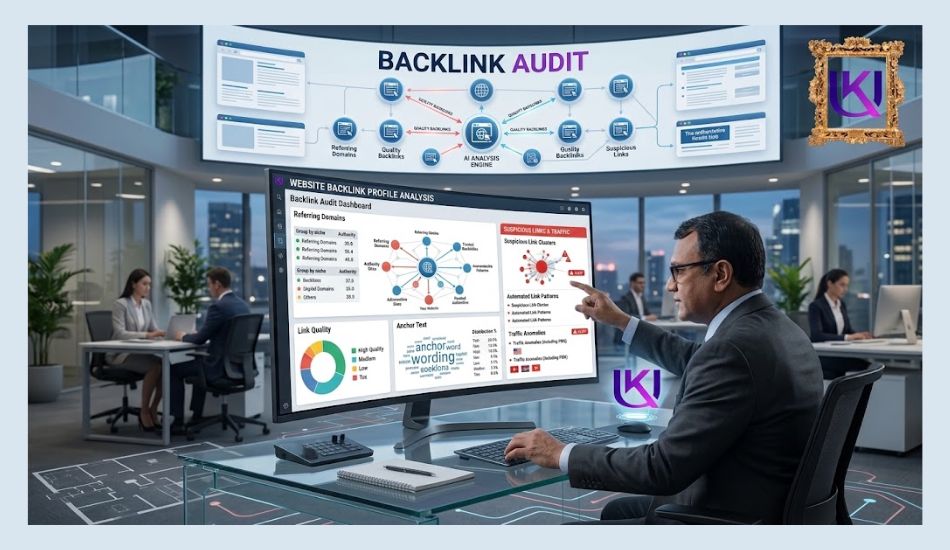
How to Audit Your Backlink Profile in 2026–2027
You should not wait for an SEO problem before checking your backlinks. A regular backlink audit helps you understand where your links come from and whether your link profile contains patterns you should review.
1. Start With Your Referring Domains
A referring domain is a website that links to your site. Look at these domains instead of focusing only on your total backlink count.
You may find that 500 backlinks actually come from only a few websites. That tells you something important about the quality and variety of your link profile.
Look for websites that are:
- Relevant to your industry
- Useful to real visitors
- Naturally linking to your content
- Not filled with obvious spam
- Not created only for backlinks
2. Check the Pages That Link to You
Do not stop at the domain level. Open the actual pages that contain your links.
Check whether the link appears in useful content or in places such as:
- Spam comments
- Random link lists
- Auto-generated pages
- Unrelated articles
- Pages with hundreds of unnatural links
A link can look good in an SEO tool but look very different when you visit the actual page.
3. Review Your Anchor Text
Check how other websites link to you. You may see your brand name, website URL, page title, or natural phrases.
A healthy backlink profile does not need every link to use your main keyword.
If you notice a large number of backlinks using the same commercial keyword, take a closer look at where those links came from and how they were created.
4. Check for Sudden Link Spikes
A sudden increase in backlinks is not automatically bad. A news story, viral article, product launch, or successful digital PR campaign can naturally create many links in a short time.
The important question is why the links appeared.
If hundreds of links suddenly appear from unrelated or low-quality websites and you did not create a campaign that explains the increase, investigate the source.
5. Use Google Search Console (GSC)
Google Search Console can help you review links that Google associates with your website. You can use its Links report to understand which pages receive links and which websites link to you.
You should also monitor your search performance and important pages. This gives you a wider view instead of judging your SEO only from a third-party backlink score.
6. Do Not Panic Over Every Bad Link
You may discover links you did not create. That does not mean your website is automatically in trouble.
The important thing is to identify whether there is a wider pattern of manipulative link building connected to your site.
Do not spend your time trying to remove every low-quality backlink you find. Focus first on links and campaigns that you or someone working for your site intentionally created to manipulate rankings.
A backlink audit should help you make better decisions, not make you afraid of every unfamiliar website linking to you.
How to Build a Safe Link Building Strategy for 2026–2027
A safe link-building strategy starts before you ask anyone for a backlink. You first need to know what you want to promote, who should link to it, and why that link would help their readers.
Step 1: Choose Pages That Deserve Links
Do not try to build backlinks to every page on your website.
Start with pages that offer real value, such as detailed guides, original research, case studies, tools, reports, and useful resources. These pages give other websites a clear reason to link to you.
Step 2: Create a Linkable Asset
Your next step is to make the page better than the common results already available.
You could add:
- Original data
- Expert quotes
- Real examples
- Helpful statistics
- Simple charts
- Step-by-step instructions
- A useful template or checklist
Your goal is simple: make your page worth citing.
Step 3: Find the Right Websites
Build a list of websites that cover topics related to your content.
For a US business, this may include industry publications, local organizations, trade groups, business websites, universities, relevant blogs, and news outlets.
For a global website, you can also look for trusted publications and industry resources in the markets you serve.
Step 4: Check Every Prospect
Do not add a website to your outreach list just because an SEO tool gives it a high authority score.
Visit the website yourself.
Check its content, audience, topic, traffic quality, and link patterns. If the site looks like it exists mainly to sell backlinks, move on.
Step 5: Make Your Outreach Relevant
Tell the website owner exactly why your content may help their readers.
For example, if their article discusses SEO statistics and you have published fresh research, explain that connection.
You are giving them a useful resource, not simply asking them to “give you a backlink.”
Step 6: Track What You Earn
Keep a simple record of your link-building work.
Track the website, linking page, target page, anchor text, date, link type, and referral traffic. This helps you see which methods actually produce useful results.
Step 7: Review the Strategy Regularly
Your link-building plan should change when your website grows.
A new website may focus on earning its first relevant mentions. An established website may focus more on digital PR, original research, expert contributions, and high-value editorial links.
The strongest strategy is not the one that creates the most links. It is the one that consistently earns relevant links from real websites while giving readers a better reason to trust and visit your content.
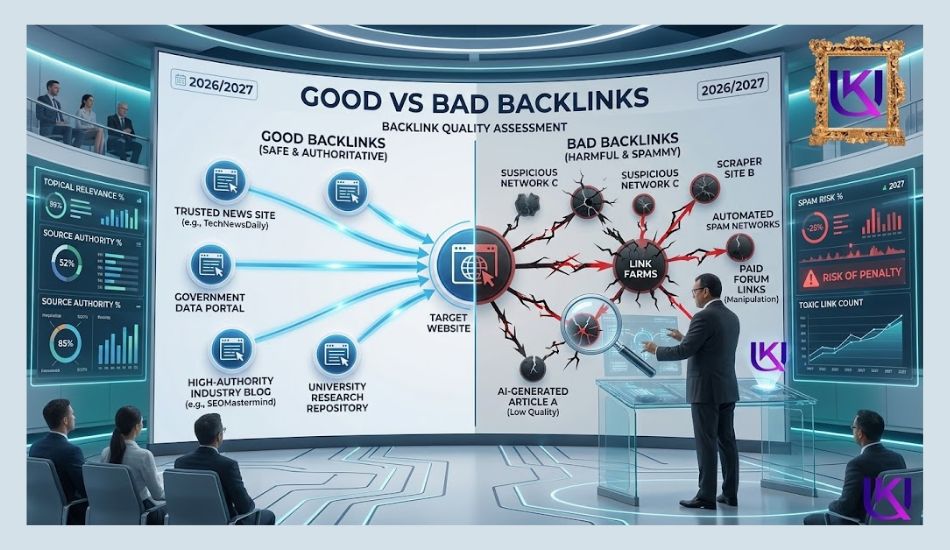
How to Measure Your Link Building Is Working
Getting a backlink is not the final goal. You need to know whether your links are helping your website attract the right visitors, build authority, and improve organic visibility.
1. Look at Referring Domains
Start by tracking the number and quality of referring domains. One website may give you many backlinks, but those links still come from one domain.
A growing list of relevant websites can be a better sign than a large backlink count from the same few domains.
2. Track Referral Traffic
A good backlink can send real people to your website.
Check your analytics to see whether visitors arrive through links from other websites. Pay attention to what those visitors do next.
Do they read another page? Contact you? Buy something? Sign up?
If a backlink brings the right audience, it can have business value even when it does not produce an immediate ranking change.
3. Monitor Organic Search Performance
Use Google Search Console to watch your search performance over time.
Look at:
- Impressions
- Clicks
- Average position
- Click-through rate
- Pages receiving organic traffic
- Queries bringing visitors
Do not expect one new backlink to suddenly move a page to the top of Google. SEO changes can take time, and many factors affect rankings.
4. Check Link Quality
A useful backlink should have a clear connection to your content.
For each important link, ask:
Is the website relevant? Is the linking page useful? Does the link make sense in the content? Could it bring a relevant visitor?
If you can answer yes, the link is more meaningful than a backlink created only to increase a tool’s score.
5. Watch Your Brand Mentions
Your link-building campaign can also increase brand awareness.
People may mention your company, author, research, or website without linking to you. These mentions can show that your content is getting attention in your industry.
You can then look for suitable opportunities to turn useful mentions into links when there is a genuine reason to do so.
6. Measure Business Results
For a business website, rankings are not the only result that matters.
A strong campaign should help you move toward goals such as:
- More qualified visitors
- More leads
- More sales
- More brand searches
- More industry recognition
- More trusted relationships
That is why you should judge link building as part of your wider SEO and content strategy, not as a race to collect backlinks.
The best backlink is not simply the one that looks good inside an SEO tool. It is the one that supports your content, reaches the right audience, and contributes to a stronger website.
Link Building Trends to Watch in 2026–2027
Link building will continue to change as search becomes more focused on useful content, trusted sources, and real user needs. You do not need to chase every new SEO trend. Instead, watch the changes that affect how people discover and trust your content.
1. Digital PR Will Become More Important
Traditional link outreach is not the only way to earn links. Digital PR can help you get your brand, research, and expert opinions in front of journalists and publishers.
Original data can be especially useful. When you publish findings that other writers want to reference, your content can earn links naturally.
2. Original Research Can Give You an Edge
Many websites repeat the same facts. You can stand out by collecting your own data.
You could run a survey, analyze industry data, publish a case study, or compare real results. When other websites use your findings as a source, you have a strong reason for them to link to your page.
3. Expert-Led Content Will Matter More
People want to know who created the information they read.
Show your experience and expertise through real examples, author information, case studies, expert comments, and clear sources. This supports the broader EEAT approach and can make your content more useful to publishers who are deciding which sources to trust.
4. Brand Mentions Will Become More Valuable
Your brand does not need to receive a backlink every time someone talks about you.
A strong content and PR strategy can increase mentions across industry websites, communities, news publications, and social platforms. These mentions can help more people discover your brand and may create future link opportunities.
5. Topical Relevance Will Stay Important
You should build authority around your main subject instead of collecting random links from unrelated websites.
For example, if your website focuses on SEO, links from websites that discuss digital marketing, search, content, websites, and business growth can make more sense than links from unrelated topics.
This is where semantic SEO fits into your strategy. Your content, internal links, external links, anchor text, and surrounding topics should create a clear connection.
6. AI Will Change the Workflow, Not the Goal
AI can make prospect research, competitor analysis, content planning, and outreach preparation faster.
But the goal remains the same: create something useful enough that a real person or publisher wants to reference it.
Do not use AI as a shortcut to create thousands of backlinks. Use it to reduce repetitive work while keeping human review, experience, and judgment in the process.
7. The Biggest Trend Is Quality
The biggest change may also be the simplest one.
You will get better results when you stop asking, “How many backlinks can I build?”
Instead, ask:
“Can this link help my audience, strengthen my content, and come from a website people trust?”
That question can keep your link-building strategy focused as SEO continues to change through 2027.
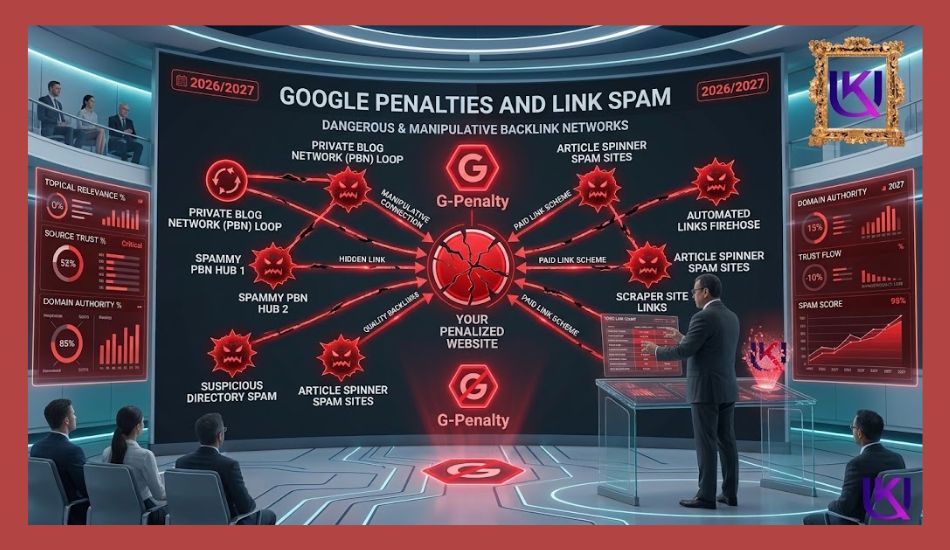
Link Building Mistakes You Should Avoid in 2026–2027
Even when you know the basic rules, it is easy to make link-building mistakes. Most problems happen when you focus too much on getting links and not enough on why those links exist.
1. Chasing Backlink Numbers
A bigger backlink number does not automatically mean better SEO.
You may have 10,000 backlinks, but if most come from low-quality or unrelated websites, they may add little value. Instead, focus on earning links from relevant pages that people actually use.
2. Using the Same Anchor Text Everywhere
Do not force your main keyword into every backlink.
If many websites use the same commercial anchor text, your link profile can look unnatural. Let publishers use anchor text that fits their own writing.
Your brand name, website name, page title, URL, and natural phrases can all be appropriate depending on the situation.
3. Paying for Links That Pass Ranking Value
Be careful when a website asks you to pay specifically for a backlink that is intended to influence rankings.
Advertising and sponsorship can be legitimate. The problem is paying for links as a way to manipulate search results.
Always understand why you are paying and how the link is presented.
4. Using Low-Quality Link Farms
Avoid websites that exist mainly to sell links. These sites may accept almost any topic and publish large numbers of unrelated articles.
A link from such a site may look useful inside a backlink report, but it does not give you the same value as a genuine editorial mention from a trusted publication.
5. Publishing Guest Posts Everywhere
Guest posting becomes weak when you publish articles on any website that accepts them.
Instead, choose websites that have a real connection to your audience and subject. Your article should be useful even without the backlink.
6. Ignoring the Linking Page
Do not judge a backlink only by the website’s overall authority.
Open the actual page where your link appears. Read the content. Check the context. See whether the link helps the reader.
A strong domain can still have weak or irrelevant pages.
7. Removing Every Link You Dislike
You do not need to panic whenever you find a strange backlink.
Some websites may link to you without your involvement. That does not mean you have done something wrong.
First, understand where the link came from and whether there is a larger pattern of manipulation. Avoid spending hours trying to make your backlink profile look perfectly clean.
8. Forgetting the User
This is the biggest mistake.
If you build links only for search engines, your strategy can become complicated very quickly. If you build links because your content genuinely helps people, your decisions become much easier.
Before pursuing a link, ask one simple question:
“Would this link still be useful to a real reader?”
If the answer is yes, you are moving in the right direction.
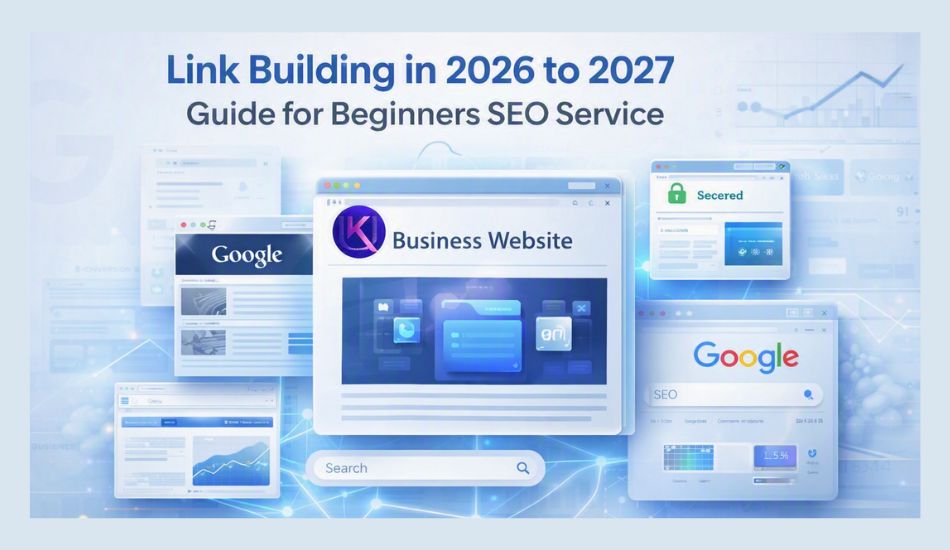
What to Do If You Already Have Toxic or Spammy Backlinks
If you have already built low-quality backlinks, do not panic. Finding spammy links does not mean your website will automatically receive a Google penalty.
Your first job is to understand where those links came from and why they exist.
1. Find the Source of the Links
Use tools such as Google Search Console and a trusted backlink analysis tool to review your link profile.
Look for patterns such as:
- Large numbers of links from unrelated websites
- Links from obvious spam pages
- Automated directory links
- Paid links created to influence rankings
- Links from private blog networks
- Repeated keyword-rich anchor text
- Links created by an SEO provider you hired
Do not judge a link only because the website looks unfamiliar. A website you do not know can still be a genuine source.
2. Check If You Created the Links
This is an important step.
If another website links to you naturally, you usually do not need to take action simply because you dislike the website.
The situation is different when you or someone working for you created a large number of manipulative links. In that case, try to remove or change those links where you reasonably can.
3. Request Link Removal
If you know a link was created as part of a risky campaign, contact the website owner and ask whether they can remove it.
Keep your request simple. You do not need to send a long explanation.
You should also keep a record of the websites you contacted and the actions they took.
4. Understand the Disavow Tool
Google provides the Disavow Links Tool for situations where you have a substantial number of artificial or low-quality links and believe they may be causing a problem.
You should not use it simply because an SEO tool labels some backlinks as “toxic.”
Third-party tools use their own scoring systems. A “toxic” label does not automatically mean Google considers that link harmful.
If you are dealing with a serious manual action or a large-scale unnatural link problem, take extra care before using the disavow process.
5. Do Not Try to Fix Everything at Once
A backlink profile can contain thousands of links. You do not need to inspect every single one manually.
Focus on clear patterns of manipulation first. Look at how the links were created, where they appear, and whether they were intended to influence rankings.
Then improve your website with useful content, genuine outreach, digital PR, and relevant editorial links.
The best recovery strategy is not to chase every bad backlink. It is to stop manipulative link building, clean up problems you can control, and build a stronger link profile naturally over time.
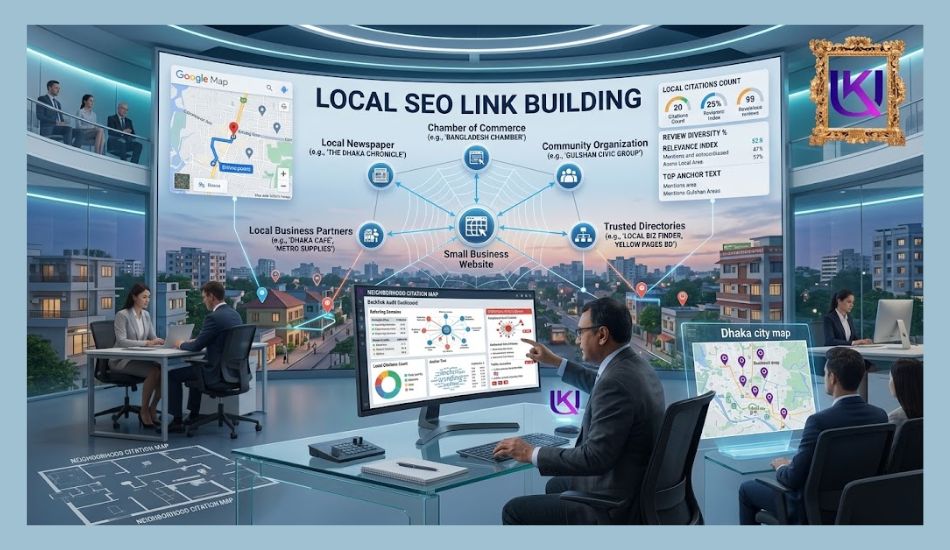
Link Building for Small Businesses and New Websites
If your website is new, you may think you need hundreds of backlinks before you can compete. You do not. Your first goal should be to earn relevant and trustworthy links that help people discover your business.
1. Start With Your Own Network
Look at the real relationships around your business.
You may already have opportunities through:
- Business partners
- Suppliers
- Clients
- Local organizations
- Industry groups
- Professional associations
- Community websites
- Local publications
If these websites genuinely mention your business, a link can make sense because it gives their visitors another useful resource.
2. Focus on Local Link Opportunities
If you serve a specific city or region, local links can be especially useful.
For example, a US small business may look for relevant local news sites, chambers of commerce, community organizations, local business directories, and industry groups.
Do not submit your business to every directory you find. Choose directories that people actually use and that are relevant to your business or location.
3. Create Content Around Real Customer Questions
Small websites often have an advantage: you know your customers well.
Use that knowledge to create content that answers questions your customers actually ask.
For example, you could publish:
- Buying guides
- Local guides
- Pricing research
- How-to articles
- Customer case studies
- Industry checklists
- Original surveys
- Expert advice
These pages can become linkable assets when other websites need reliable information for their own readers.
4. Turn Your Experience Into Content
Your own experience can make your content different from hundreds of generic articles.
If you have worked with customers for years, explain what you have learned. Show examples. Share results where you can. Explain common mistakes and how you solved them.
This supports the Experience part of Google EEAT while giving publishers more reasons to reference your work.
5. Do Not Compare Yourself to Huge Websites
A new website cannot always compete with a major publication for the same keywords and backlinks.
That is okay.
Start with smaller, relevant opportunities. Build relationships. Earn your first quality mentions. Create useful resources. Then use those results to reach stronger websites.
Your link profile can grow as your website grows.
For a small or new website, the goal is not to look big overnight. Your goal is to become useful, trusted, and visible one relevant link at a time.
How to Build Links With Content Marketing
Content marketing and link building work best when you treat them as one strategy. Instead of creating an article and then searching for a place to put a backlink, you create something useful first and give other websites a reason to reference it.
1. Create Content People Can Cite
Some content types naturally attract more links than a basic opinion post.
You can create:
- Original research
- Industry statistics
- Case studies
- Expert interviews
- Free tools
- Templates
- Checklists
- Detailed guides
- Original surveys
- Data visualizations
For example, if you publish original research about how small businesses use SEO, another writer may cite your findings when writing about the same subject.
2. Build Content Around a Clear Topic
Your content should also fit your website’s main subject.
If you run an SEO website, you can build related content around technical SEO, keyword research, content strategy, link building, local SEO, and Google Search Console.
This creates topical relevance. It also gives you more useful pages to promote and more opportunities for other websites to reference your work.
3. Promote Your Best Content
Publishing content does not guarantee backlinks. You still need to put the resource in front of the right people.
You can promote your content through:
- Email outreach
- Digital PR
- Industry communities
- Professional networks
- Social platforms
- Expert interviews
- Relevant resource pages
The goal is not to spam links across the internet. You are simply helping the right people discover useful information.
4. Update Content That Already Earns Links
Your older content may already have backlinks. Do not ignore those pages.
Check which articles receive links and improve them when needed. Add newer information, update outdated facts, improve examples, and make the page easier to use.
When the content remains useful, you give existing links a stronger destination and create new reasons for publishers to reference the page.
5. Connect Content With Internal Links
External backlinks are only one part of the strategy. Use internal links to connect related pages across your website.
For example, this guide can link to your pages about technical SEO, keyword research, content marketing, and Google Search Console.
This helps users move through your website and helps search engines understand how your pages are connected.
6. Think Beyond the Backlink
A strong content marketing strategy can bring more than links. It can bring referral traffic, brand awareness, expert recognition, leads, and new relationships.
That is why you should create content for people first.
When your content solves a real problem and gives publishers something useful to reference, backlinks become a natural result of good marketing rather than something you have to force.
How to Find Link Opportunities Without Spamming
You do not need to contact every website in your industry to build backlinks. A better approach is to find pages where your content can solve a clear need.
1. Look for Pages That Already Need Sources
Start by finding articles, guides, reports, and resource pages that discuss your topic.
For example, if you have published original SEO data, look for articles that discuss the same subject but do not have recent data. Your research may give the writer a useful source to add.
This is much stronger than sending a random backlink request.
2. Find Broken Link Opportunities
Broken link building is another method you can use.
You look for an old or broken external link on a relevant page. Then you check whether you have a useful resource that can replace it.
If you do, contact the website owner and explain the problem. Give them your page as a possible replacement.
Your resource must actually match the old link. Do not suggest an unrelated page just because you want a backlink.
3. Study Competitor Links
You can also review where relevant competitors earn backlinks.
Look for patterns:
- Which publications mention them?
- Which resource pages link to them?
- Which studies attract links?
- Which topics receive the most attention?
- Are journalists citing their research?
- Are industry websites referencing their guides?
Do not copy every backlink. Use this research to discover new opportunities.
4. Search for Unlinked Brand Mentions
Sometimes people mention your brand without adding a link.
If the mention is relevant and a link would help readers find the source, you can contact the publisher and ask whether they would consider linking to your website.
Keep the request polite. The publisher may choose not to add the link.
5. Use Expert Contributions Carefully
Some websites invite experts to contribute opinions, quotes, or answers.
This can be useful when the publication is relevant, and the contribution is genuine. Share your real experience instead of writing something only because you want an anchor text link.
Your expertise should come first.
6. Avoid Mass Outreach
Sending the same email to 5,000 websites is not a quality strategy.
Build a smaller list of relevant prospects. Read their content. Understand their audience. Then explain why your resource fits.
You may earn fewer links this way, but the links you earn can be far more meaningful.
Good outreach feels like a useful recommendation, not a backlink transaction. That mindset can help you build relationships while keeping your link-building strategy natural.
Link Building for Local SEO in 2026–2027
If you run a local business, you should not treat link building like a global brand does. Your best opportunities often come from websites, organizations, and publications connected to your city, service area, and industry.
1. Build Local Relevance
Start by looking for websites that your local customers already trust.
You can earn relevant mentions from:
- Local news websites
- Chambers of commerce
- Local business groups
- Community organizations
- Industry associations
- Local event websites
- Schools and universities
- Local suppliers and partners
- Trusted business directories
A link from a relevant local source can make more sense than a link from a large website that has no connection to your business.
2. Create Local Resources
Give local websites something useful to reference.
For example, you could create a local cost guide, neighborhood guide, industry report, event calendar, customer survey, or local market study.
If you run a home service company, you could publish a guide about common home repair costs in your area. A local publication or community website may then have a real reason to reference your research.
3. Use Your Google Business Profile (GBP)
Your Google Business Profile (GBP) is important for local visibility, but do not treat it as a backlink-building tool.
Instead, make sure your Google Business Profile business information is accurate and consistent. Your website, business name, location, services, and contact details should match across important local sources.
This helps create a stronger local presence while your external link strategy works alongside it.
4. Get Involved in Your Community
Real-world activities can create natural link opportunities.
You could sponsor a local event, support a community project, speak at an industry event, host a workshop, or partner with a local organization.
If the organization publishes a page about the event or partnership, it may naturally mention and link to your business.
Do these activities because they provide real value. Do not create fake events just to obtain links.
5. Build Local Citations Carefully
Local citations can help people find your business and confirm important business information.
Focus on trusted platforms and directories that are useful in your market. Keep your business information accurate.
You do not need to submit your business to hundreds of directories.
6. Focus on Real Local Relationships
The strongest local links often come from relationships you already have.
A supplier, partner, local publication, professional group, or community organization may already have a genuine reason to mention your business.
That makes local link building less about buying links and more about becoming a visible and useful part of your local community.
For local SEO, relevance beats distance. A link from a trusted website in your own market can be far more useful than a random link from a website thousands of miles away.
How to Use Anchor Text Safely in Link Building
Anchor text is the clickable text that takes you from one page to another. It helps readers understand what they will find after clicking. It can also give search engines useful context about the linked page.
But you should not try to control every word used in your backlinks.
1. Use Natural Anchor Text
Your anchor text should fit the sentence around it.
For example, if you are linking to a guide about technical SEO, phrases such as technical SEO guide, learn more about technical SEO, or your brand name may make sense depending on the context.
You do not need to force the same keyword into every link.
2. Avoid Exact-Match Overuse
Suppose your target keyword is link building services.
If every external website links to your page using exactly “link building services,” the pattern may look unnatural. Real websites normally use different words when they reference the same resource.
You should let the linking publisher choose wording that fits their article.
3. Brand Anchors Are Useful
Brand names are a natural way for websites to link to you.
A publisher may simply use your company name, website name, or a branded phrase. These links can still help people discover your website without forcing a keyword into the sentence.
4. URLs Can Be Natural Too
Sometimes a website may use your page URL as the clickable text.
For example, a writer may say: You can find the comprehensive research at ukdeb.net.
This is a normal type of backlink. You do not need to change it just because it does not contain your target keyword.
5. Think About the Surrounding Content
Do not look at anchor text by itself.
Look at the entire sentence and paragraph. If the content clearly explains why your page is being referenced, the link has useful context.
This connects with semantic SEO. Search engines can use the surrounding words and topic to better understand the relationship between the linking page and your page.
6. Do Not Buy Specific Anchor Text
Be especially careful with paid link schemes that promise backlinks using exact commercial keywords.
If someone says you can pay them to place hundreds of links using your chosen keywords, that is a major warning sign.
A safer approach is to earn links naturally and allow publishers to use wording that fits their own content.
7. Your Main Goal
Do not spend too much time trying to create the “perfect” anchor-text ratio.
Focus on earning genuine mentions from relevant websites. When links are earned naturally, the anchor text will usually vary on its own.
Good anchor text helps the reader understand the link. It should not look like you wrote the sentence only to make Google rank a keyword.
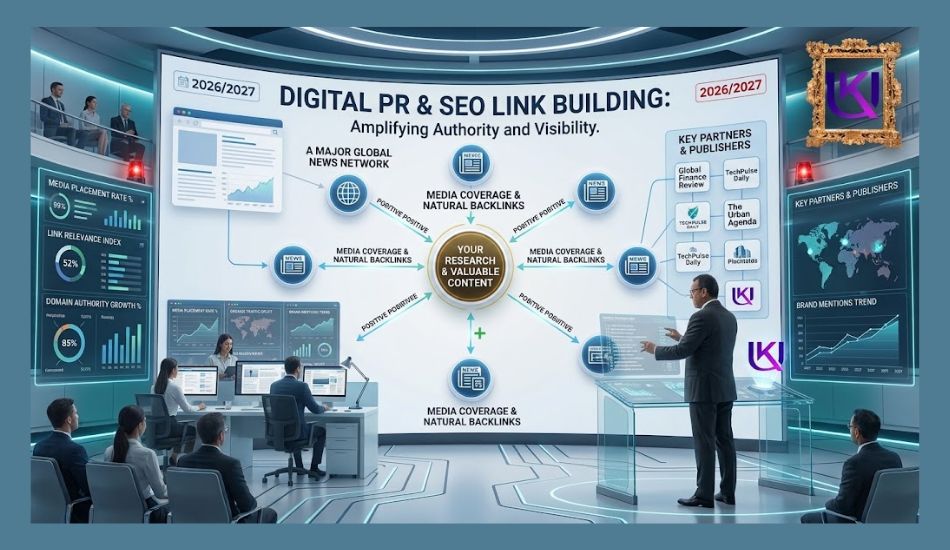
How to Build Links Through Digital PR and Expert Outreach
Digital PR can be one of the strongest ways to earn backlinks because it connects your content with journalists, publishers, and industry writers. Instead of asking for a link without a reason, you give them information that can improve their story.
1. Create Something Newsworthy
You need a reason for a publisher to care about your content.
You could publish:
- Original industry research
- Survey results
- New market data
- Expert analysis
- A useful study
- A strong case study
- A new industry report
- Data from your own customers
For example, if you survey 1,000 US small business owners about their SEO budgets, your findings could give business and marketing writers fresh data to discuss.
2. Give Journalists Useful Information
Journalists often need expert comments, statistics, examples, and data for their stories.
If you can provide a clear answer backed by real experience, you may earn a mention and an editorial backlink.
Keep your response short. Answer the question directly. Avoid turning every expert response into a sales pitch.
3. Build Real Expert Profiles
Your author profile can also support your outreach.
Show your experience, areas of expertise, published work, case studies, and relevant credentials where appropriate. When a journalist checks your background, they should be able to understand why you are qualified to discuss the subject.
This supports the Experience and Expertise parts of EEAT.
4. Make Your Research Easy to Use
If you publish original data, make the important findings easy to understand.
Use clear headings, simple charts, short explanations, and source information. Give writers enough context to understand what your data means.
This makes your research more useful as a reference.
5. Do Not Create Fake News
Digital PR does not mean inventing stories to get links.
Do not create fake surveys, false statistics, fake experts, or misleading claims. A short-term backlink is not worth damaging your brand’s trust.
Your research should be real, your claims should be supported, and your expert comments should reflect genuine knowledge.
6. Turn PR Into Long-Term Authority
One successful research report can create more than one backlink.
A strong study may earn mentions from several publications, lead to expert interviews, generate social discussion, and create new relationships with journalists.
That is why digital PR and content marketing work so well together.
Create something worth reporting, give experts and publishers useful information, and let the backlink become a natural result of the story.
How to Use Guest Posting Safely in 2026–2027
Guest posting can still support your SEO strategy when you use it for the right reason. The problem starts when you publish low-quality articles on unrelated websites only to place backlinks.
Your goal should be to share useful knowledge with a relevant audience, with the backlink as a natural part of the contribution.
1. Choose Relevant Websites
Before accepting a guest-post opportunity, check the website carefully.
Look at its:
- Main topic
- Target audience
- Content quality
- Editorial standards
- Existing articles
- Link patterns
- Reputation in the industry
A website does not need to be huge. It needs to be relevant, genuine, and useful to your target audience.
2. Write Something Original
Do not take an old article from your website and rewrite it slightly.
Create a fresh article that fits the publication’s readers. Add your own examples, experience, data, or practical advice.
If the article would be useful even without your backlink, you are starting with the right approach.
3. Keep Links Relevant
Only link to your website when the link adds value to the article.
For example, if you write about technical SEO and have a detailed guide explaining website crawling, that guide may be a useful reference.
Do not add several links to your own website just because the publisher allows them.
4. Avoid Guest-Post Networks
Be careful with websites that offer large lists of guest-post placements for a fixed price.
If the same network publishes content from every industry and mainly exists to sell backlinks, it is not a strong foundation for your SEO strategy.
You should care about the website and its audience, not simply its backlink metrics.
5. Do Not Force Exact-Match Anchors
Let the link fit naturally into your article.
You do not need to use your target keyword as the anchor text every time. A brand name, natural phrase, or descriptive wording may be a better fit.
6. Build Relationships, Not Just Links
The best guest-post opportunities can lead to more than one backlink.
A good publication relationship may lead to expert interviews, future articles, podcast appearances, research citations, or other collaborations.
That makes the relationship more valuable than a single link.
Use guest posting as a way to contribute useful information to the right audience. When you do that, the backlink becomes part of the value instead of being the entire purpose of the article.
How to Build Backlinks With Broken Link Building
Broken link building is a simple outreach method. You find a broken link on a relevant website and suggest your useful page as a replacement.
The key is relevance. You should not recommend your page just because you want a backlink.
1. Find Relevant Broken Links
Look for websites that cover your topic. Then check their useful guides, resource pages, and older articles for links that no longer work.
For example, if you have a detailed page about technical SEO, you could look for an SEO guide that links to an old technical SEO resource that has disappeared.
2. Make Sure Your Page Is a Real Replacement
Your page should closely match the information that the broken link once provided.
If the old page was about website speed, do not suggest your article about keyword research. The replacement should help the same readers find the information they expected.
3. Contact the Website Owner
Keep your message short and helpful.
Tell them that you found a broken link and provide the location of the link. Then explain that you have a relevant resource that may work as a replacement.
You are helping them fix their page. The backlink is a possible result of that help.
4. Do Not Create Fake Broken Links
You should never create a problem just to create a link opportunity.
Do not report working links as broken. Do not manipulate websites into replacing useful resources with your page.
Your outreach should be based on a real issue and a genuine solution.
5. Improve Your Replacement Page First
Before contacting anyone, check your own content.
Your replacement page should be:
- Accurate
- Current
- Easy to read
- Relevant
- Well structured
- Better or equal to the missing resource
If your page is weak, a broken link opportunity will not help much.
6. Use Broken Link Building as a Small Part of Your Strategy
You do not need to build your entire backlink campaign around broken links.
Use it alongside content marketing, digital PR, expert outreach, original research, and natural editorial link building.
The simple idea is powerful and can find a real problem, offer a useful replacement, and let the website owner decide whether your resource deserves the link.
How to Build Backlinks Through Resource Pages and Linkable Assets
Resource pages can give you useful link opportunities when your content genuinely helps the people visiting that page. These pages often collect guides, tools, studies, or other resources around one topic.
1. Find Pages That Match Your Topic
Search for websites that already collect useful resources in your industry.
For example, if you publish a detailed guide about SEO, you may find resource pages from marketing organizations, universities, business groups, or industry publications that recommend useful SEO resources.
The closer the topic matches, the stronger the reason for your link to be included.
2. Make Your Resource Worth Adding
A resource page owner has no reason to add another ordinary article if the page already contains similar information.
Give them something different.
You could offer:
- Original research
- A useful calculator
- A detailed checklist
- A practical template
- Fresh statistics
- A step-by-step guide
- An industry report
- A free tool
Your resource should solve a problem for the page’s audience.
3. Check the Page Before Outreach
Do not send your resource to every page you find.
First check whether the page is active, useful, and relevant. Look at the existing resources and understand what type of content the website recommends.
If your page clearly fits, you have a stronger reason to contact the owner.
4. Keep Your Outreach Simple
You do not need a long sales message.
Tell the website owner what you found and why your resource may be useful to their readers. Give them enough information to make a quick decision.
Do not pressure them to add your link.
5. Avoid Low-Quality Resource Lists
Some websites create resource pages only to sell backlinks. Be careful with pages that contain hundreds of unrelated links or accept submissions from almost any industry.
A genuine resource page should have a clear purpose and useful information for its audience.
6. Build Assets Before Asking for Links
The best resource-page strategy starts with your content.
If you create something people can actually use, you have a much stronger reason to reach out. This is why linkable assets, content marketing, semantic SEO, and digital PR can work together.
Do not ask, “Where can I place my backlink?” Ask, “Which useful resource can I create that a relevant website would be happy to recommend?”
How to Use Brand Mentions for Link Building
Not every website will link to you when it mentions your brand. You may find your company name, website, product, or author name mentioned without a clickable link.
These unlinked brand mentions can become useful link opportunities when the page already talks about your business or content.
1. Find Unlinked Mentions
Search for places where your brand is mentioned, but your website is not linked.
You can check:
- Industry articles
- News stories
- Business reviews
- Interviews
- Expert roundups
- Research reports
- Local publications
- Partner websites
First, make sure the mention is real and relevant.
2. Ask for a Link When It Helps
If a publisher already mentions your brand, you have a natural reason to contact them.
You can politely explain that readers may find it useful to visit your website or the original resource.
Do not demand the link. The publisher may decide that no link is needed.
3. Turn Research Into Citations
Original research can create many brand mentions.
For example, if you publish a study about Link Building in 2026–2027, another SEO website may mention your study when discussing backlink trends.
If they use your data but do not link to the original research, you have a reasonable opportunity to request a citation.
4. Protect Your Brand Information
Keep your website and business information clear and easy to verify.
Your About page, author information, contact details, service pages, and research pages should give publishers a reliable source to reference.
This also supports trust and the wider EEAT approach.
5. Do Not Chase Every Mention
You do not need to contact every website that mentions your name.
Focus on mentions from relevant and trustworthy sources where a link would genuinely help the reader.
A random mention on an unrelated website may not be worth your time.
6. Think Beyond Rankings
Brand mentions can help people discover your business even when they do not create an SEO benefit.
A trusted publication mentioning your brand can introduce you to new readers, potential customers, journalists, and industry contacts.
When someone already talks about your brand, you have a warm link opportunity. Use it to build a relationship, not just to collect another backlink.
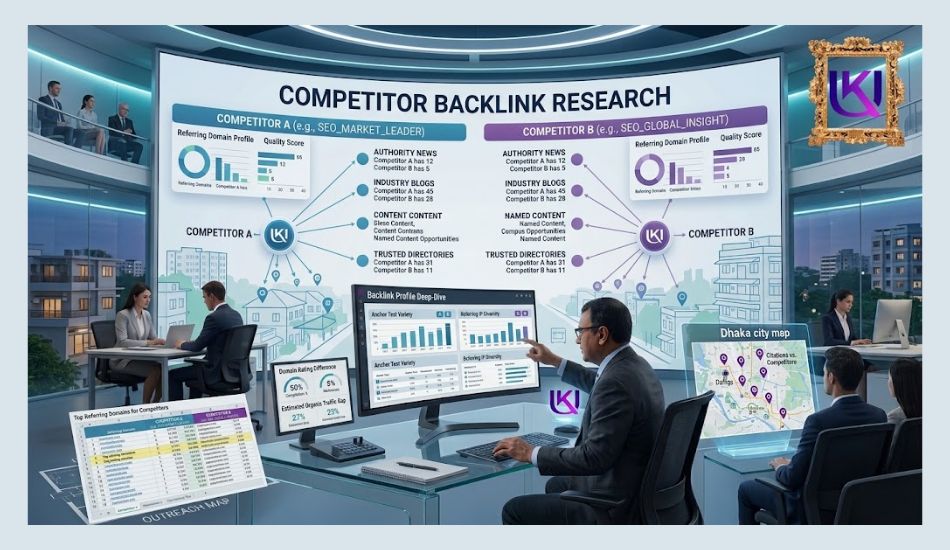
How to Use Competitor Backlink Research the Right Way
Your competitors can show you where link opportunities may exist, but you should not copy their backlink profile blindly. Some links may be strong, while others may come from poor tactics that you should avoid.
1. Find Where Competitors Earn Links
Start by reviewing the referring domains that link to your competitors.
Look for websites such as:
- Industry publications
- News websites
- Resource pages
- Business organizations
- Relevant blogs
- Local websites
- Industry directories
- Podcast and interview pages
Then ask why each website is linked to your competitor.
That question is more useful than simply asking how to get the same link.
2. Study the Content That Attracts Links
Look at which competitor pages receive the most backlinks.
You may find that their strongest pages are original studies, detailed guides, free tools, statistics, surveys, or useful reports.
This gives you a content idea.
Do not copy the page. Find a way to create something more useful, more current, or more complete.
3. Look for Content Gaps
Suppose a competitor has a popular guide about local SEO, but the guide has not been updated for several years.
You could create a fresh guide with current examples, updated information, and original data.
Now you have a real reason to contact websites that already reference the older resource.
4. Check the Quality of Competitor Links
Never assume that every competitor’s backlink is worth getting.
Some may come from:
- Spam websites
- Private blog networks
- Paid placements
- Unrelated websites
- Low-quality directories
- Artificial link schemes
Your competitor may rank well for many reasons. You do not need to copy every part of their SEO strategy.
5. Find Link Gaps
A link gap exists when relevant websites link to your competitors but do not link to you.
These websites can become useful prospects.
However, do not send the same message to all of them. Review the page first and find a real reason your content could add value.
6. Use Competitor Research for Ideas, Not Shortcuts
Competitor backlink research works best when you use it to understand your market.
You can discover:
Who links to competitors → why they link → what content earns links → what your audience needs → what better resource you can create.
That turns competitor research into a content and outreach strategy instead of a backlink-copying exercise.
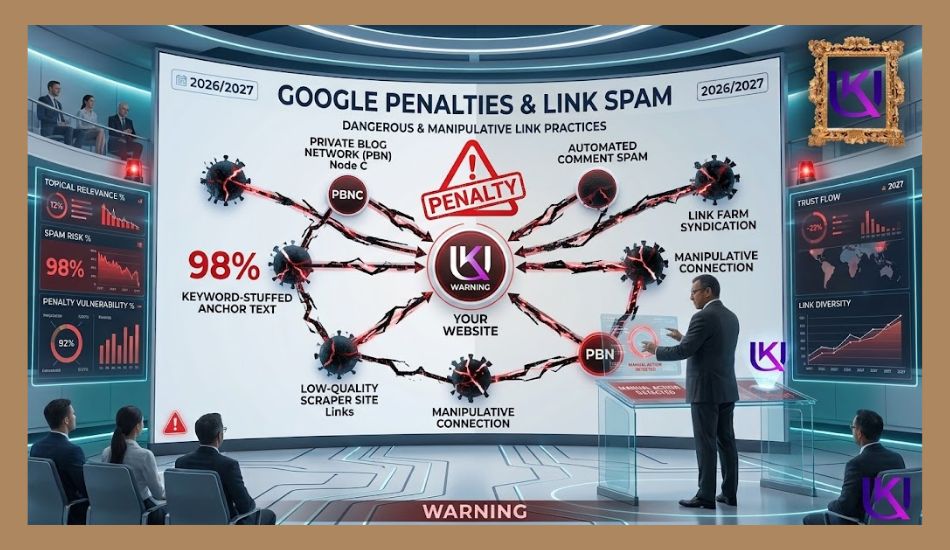
What Google Penalties Really Mean for Link Building
One important point can save you from a lot of confusion: not every bad backlink leads to a Google penalty.
When you hear the word “penalty,” you may think any spammy link can suddenly destroy your rankings. That is not how you should look at your backlink profile.
1. Algorithmic Problems vs. Manual Actions
There are two different situations you should understand.
A manual action happens when Google’s spam team takes action against a website because it violates Google’s spam policies. You can check for manual actions in Google Search Console(GSC).
An algorithmic ranking change is different. Your rankings can change when Google’s systems evaluate your website and content differently. You may see traffic or rankings fall without receiving a manual action.
Knowing this difference helps you avoid panic.
2. Intentional Link Manipulation Is the Bigger Concern
The main risk comes when you deliberately create links to manipulate search rankings.
Examples can include:
- Buying links for ranking purposes
- Large-scale link exchanges
- Automated link creation
- Private blog networks
- Spammy link campaigns
- Low-quality guest-post networks
- Keyword-heavy links created at scale
The more clearly a campaign is designed to manipulate rankings, the more carefully you should review it.
3. A Random Spam Link Is Not the Same Thing
You cannot control every website that links to you.
Someone may create a spam page and link to your website without your knowledge. That alone does not mean you have violated Google’s guidelines.
This is why you should not spend your entire day trying to remove every strange backlink you find.
Look at the overall pattern and how the links were created.
4. Focus on What You Control
You can control the links you build, the websites you approach, the content you publish, and the SEO providers you hire.
Make sure anyone working on your SEO understands your link-building standards.
If an agency promises thousands of backlinks every month, ask how those links will be earned. If the answer focuses only on quantity, be careful.
5. Build for Long-Term Trust
A safer strategy is to create useful content, earn editorial mentions, build relationships, use digital PR, and get links from relevant websites.
You may grow more slowly, but you are building an asset that can support your website for a much longer time.
Do not build your SEO strategy around fear of penalties. Build it around useful content, genuine relationships, and links that have a real reason to exist.

The Future of Link Building: What to Expect in 2027
As you move into 2027, link building is likely to become even more connected to content quality, brand trust, topical relevance, and real-world authority. You will still need backlinks, but the way you earn them matters more than simply increasing the number.
1. Helpful Content Will Drive Link Opportunities
If your content gives readers a clear answer, other websites have a reason to reference it.
You can strengthen your pages with original research, real examples, expert views, useful data, and practical solutions. This makes your content easier for publishers to cite.
2. Topical Relevance Will Stay Important
Your backlinks should support the subject your website is known for.
If your website covers SEO, links from relevant marketing, technology, business, and search publications can make more sense than links from unrelated websites.
Your content topics, internal links, external links, and anchor text should create a clear connection.
3. Brand Authority Will Matter More
People often trust businesses they see repeatedly across reliable sources.
A strong link-building campaign can help you earn mentions from industry publications, local organizations, news websites, podcasts, expert interviews, and other trusted sources.
These mentions can strengthen your wider online presence, not just your backlink profile.
4. Original Data Can Become a Major Asset
If you want publishers to link to you, give them information they cannot easily get somewhere else.
You can conduct surveys, analyze public data, publish industry statistics, create case studies, or report your own results.
When other writers use your findings, your website can become the source they cite.
5. AI Search Will Change Discovery
People are now using AI-powered search experiences to find answers, compare information, and discover sources.
This makes it even more important to build a website that clearly demonstrates experience, expertise, authority, and trust.
Do not create content only to attract a backlink. Create information that can stand on its own as a useful source.
6. Relationships Will Beat Mass Outreach
The future of link building is unlikely to favor endless automated emails.
Strong relationships with journalists, publishers, experts, businesses, and industry communities can create repeated opportunities for mentions and links.
One useful relationship can be worth more than hundreds of cold outreach emails.
7. The Core Strategy Will Stay Simple
You do not need to predict every Google update.
Build useful content. Earn genuine mentions. Choose relevant websites. Avoid manipulative tactics. Keep improving your website.
In 2027, the strongest link-building strategy will still come down to one simple idea: become a source that other people genuinely want to reference.
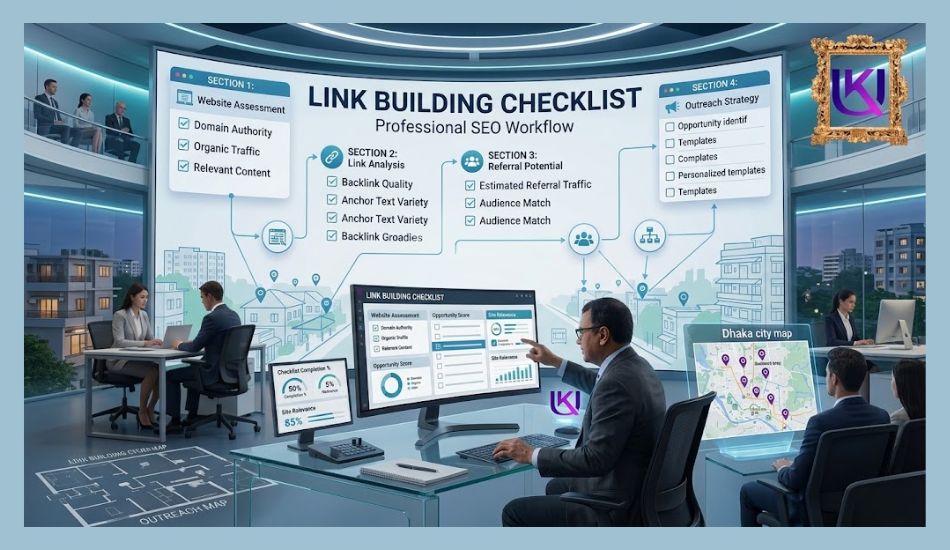
Link Building Checklist for 2026–2027
Before you start a link-building campaign, use a simple checklist. It can help you avoid risky tactics and keep your work focused on links that have real value.
1. Before You Build a Link
Ask yourself:
- Is the website relevant to your topic?
- Does the website have real, useful content?
- Does the linking page help its readers?
- Is there a clear reason for the link?
- Can the link bring relevant visitors?
- Is the website asking for payment only to pass ranking value?
- Does the opportunity look natural?
If the answers look good, you can consider the opportunity.
2. Before You Publish Guest Content
Check:
- Does the website have a real audience?
- Is the topic related to your expertise?
- Are you providing original information?
- Does the article help readers without the backlink?
- Are you avoiding keyword-stuffed anchor text?
- Are you avoiding large guest-post networks?
If the backlink is the only reason you want to publish there, reconsider the opportunity.
3. Before You Send Outreach
Make sure you:
- Read the target page
- Understand the publisher’s audience
- Explain why your resource fits
- Keep your message short
- Avoid mass email templates
- Give the publisher a genuine choice
Good outreach should feel like a useful suggestion.
4. Before You Pay for Any Link
Stop and ask why you are paying.
If you are paying for advertising, sponsorship, or a legitimate business placement, make sure the link is handled appropriately.
If you are paying specifically to manipulate Google’s rankings, the risk is much higher.
5. Review Your Backlinks Regularly
Keep an eye on:
- Referring domains
- Link quality
- Anchor text
- Referral traffic
- New backlinks
- Lost backlinks
- Organic search performance
You do not need to obsess over every backlink. Look for unusual patterns and links created through campaigns you control.
6. Your Simple Rule
When you are unsure about a link, use this test: Would you still want this link if Google gave you no ranking benefit from it?
If the answer is yes because it can help readers, send visitors, build your reputation, or connect you with a trusted industry source, it is usually a much stronger opportunity.
If the only reason you want it is to manipulate rankings, it is probably not worth the risk.
Final Thoughts: What Works and What You Should Avoid
Link building in 2026–2027 does not have to be complicated. You do not need thousands of backlinks or expensive link packages to build a stronger website. You need a clear plan that puts relevance, quality, trust, and user value first.
Focus on creating content that people want to reference. Use original research, useful guides, case studies, tools, digital PR, expert outreach, and genuine industry relationships to earn links.
Check every website before you pursue a backlink, and think about whether the link makes sense for its readers.
At the same time, stay away from tactics built around manipulation. Paid ranking links, PBNs, automated backlinks, spammy link exchanges, low-quality guest-post networks, and mass link schemes can create unnecessary risk.
Your best link-building question is simple: “Does this link make my website more useful and trusted for the people I want to reach?”
If the answer is yes, you are building links for the right reason. That approach can help you grow your website, protect your SEO investment, and build a stronger online presence through 2027 and beyond.
Relevant article: The Free Link Building Method That Gets Real Backlinks
FAQs: Link Building SEO Guide 2026–2027: Safe Strategies That Work
1. Is link building still important in 2026?
Yes. Links can still help search engines discover pages and understand relationships between websites. But you should focus on relevant, trustworthy links rather than trying to collect as many backlinks as possible.
2. How many backlinks do you need to rank on Google?
There is no fixed number. You can rank with fewer links when your content strongly matches the search intent and competes well on quality and relevance. One useful backlink can be more valuable than many weak links.
3. Can buying backlinks hurt SEO?
Yes, buying links specifically to manipulate search rankings can create risk. If you pay for advertising or sponsorship, the link should be handled in a way that clearly identifies its purpose rather than trying to pass ranking value artificially.
4. Are guest posts still good for link building?
They can be useful when you contribute original, helpful content to a relevant and trusted website. You should avoid guest-post networks, mass publishing, unrelated websites, and articles created mainly to place backlinks.
5. Are PBN backlinks safe in 2026–2027?
You should avoid using Private Blog Networks as a link-building strategy. Building or using websites mainly to manipulate rankings creates an artificial link pattern and is not a good long-term SEO approach.
6. What makes a backlink high quality?
A strong backlink usually comes from a relevant website and appears naturally within useful content. It should make sense for the reader and come from a source with a genuine reason to reference your page.
7. Should every backlink use my target keyword as anchor text?
No. You should not force your target keyword into every backlink. Brand names, URLs, page titles, and natural phrases can all be appropriate. Let the anchor text fit the context.
8. Can AI build backlinks for you?
AI can help with research, prospect organization, content ideas, and outreach preparation. You should not use it to generate thousands of automated backlinks or spammy outreach messages. Human review is still important.
9. What should you do if you have many spammy backlinks?
First, find out how the links were created. Do not assume every unwanted backlink is harmful. If you or an SEO provider created manipulative links, try to address the problem and review the situation carefully before considering Google’s disavow process.
10. What is the safest link-building strategy for 2026–2027?
Create useful content, publish original research, build relationships with relevant websites, use digital PR, contribute genuine expert information, and earn editorial mentions. The safest strategy is to build links that have a real purpose for users rather than links created only to influence rankings.